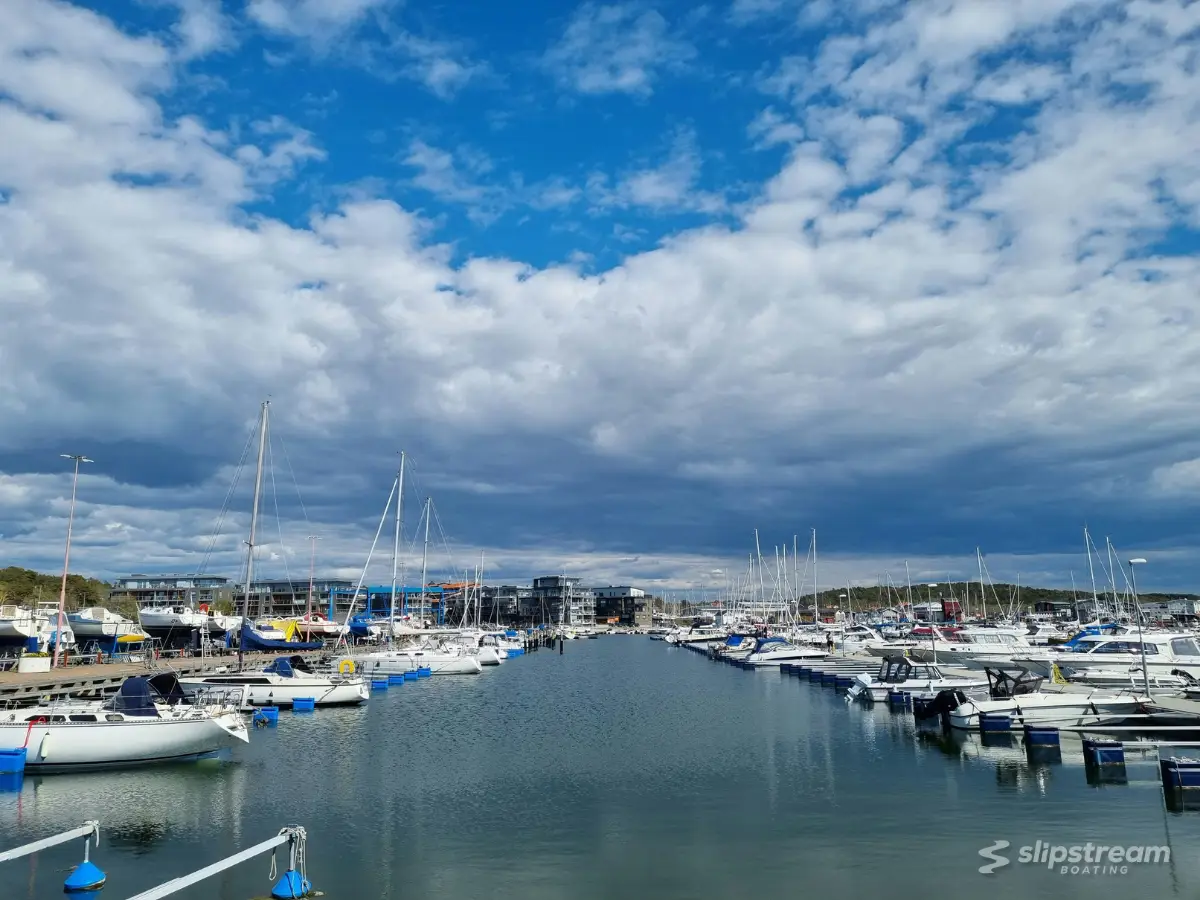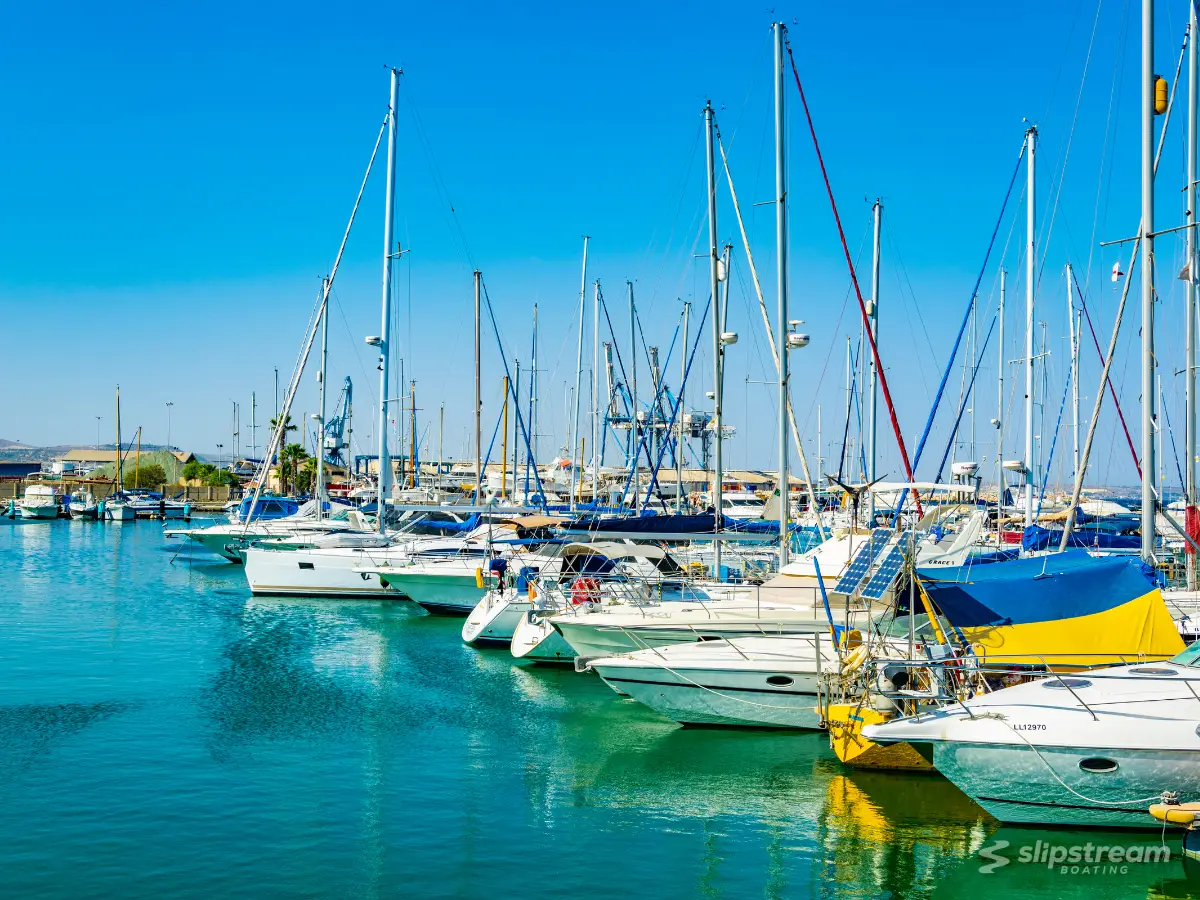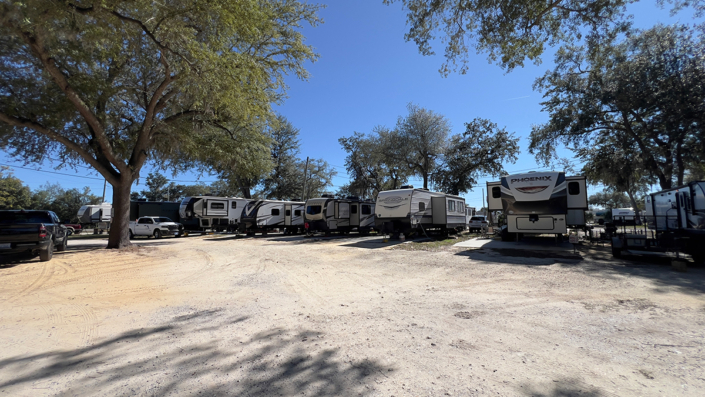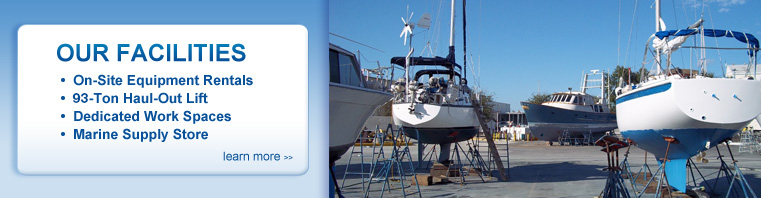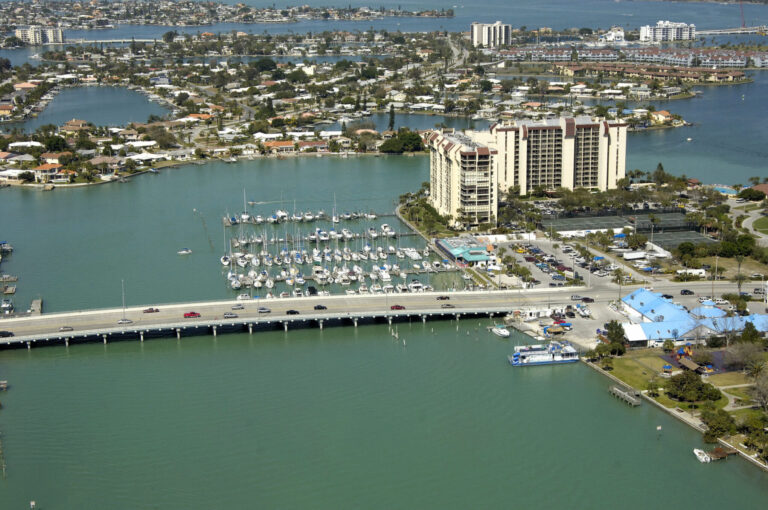
Blind Pass Marina
In St.

Marinas for Every Boater’s Needs
Looking for a slip for the season, a weekend spot, or year-round storage? Slipstream shows you marinas with clear details on space, services, and amenities. From basic docking to full-service facilities with fuel, storage, and community perks, you’ll find the right place to keep your boat.
Our blog has destination guides, boating tips, gear advice, and stories from people already on the water. It’s a great way to plan your next outing.

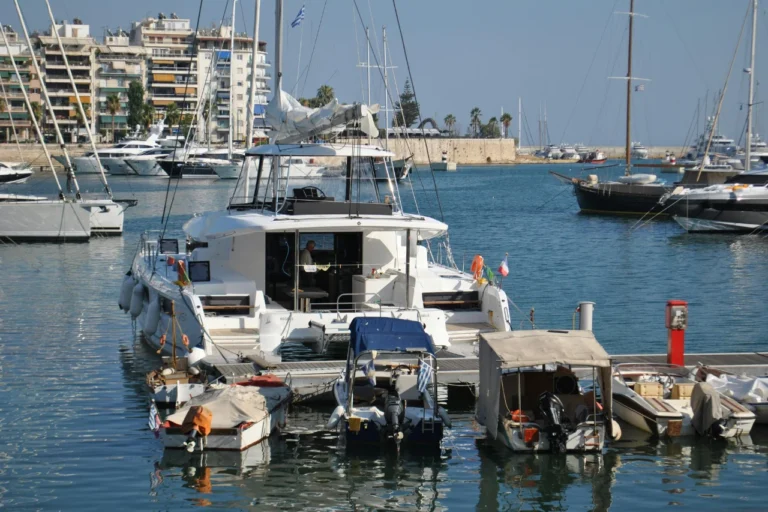

Spring and fall are the best times to boat on Boca Ciega Bay and the Gulf waters off St. Pete Beach. Boating conditions are available throughout the year, but Gulf water runs about 65 to 70°F in winter and can exceed 85°F in summer. January through May is the area’s high season, with beaches busiest around Easter, while fall is generally quieter.
From roughly mid-May to mid-October, plan around the daily forecast. Tampa Bay’s sea breeze pattern affects thunderstorm timing, and the rainy season peaks from July into early September, bringing frequent lightning and heavy rain.
Source: Visit St. Pete-Clearwater (visitstpeteclearwater.com)
From St. Pete Beach, you can cruise Boca Ciega Bay, use Blind Pass or Pass-a-Grille Channel, visit Shell Key Preserve, or head into open Gulf waters. Boca Ciega Bay is the inside-water choice, while Blind Pass is shallow and used by local fishing boats and other small craft. Pass-a-Grille Channel is a marked route that connects with the Intracoastal Waterway and a channel across the bar to the Gulf. Shell Key offers boating around an undeveloped barrier island, mangrove islands and expansive seagrass beds. Local put-ins include the Egan Park and Don CeSar boat ramps.
Source: NOAA Office of Coast Survey (nauticalcharts.noaa.gov)
Boaters from St Pete Beach head to Shell Key Preserve, Egmont Key State Park and John’s Pass Village. Shell Key draws beach stops and shell seekers to an unspoiled barrier island. Egmont Key offers swimming and snorkeling around a wildlife refuge, plus the remains of Fort Dade. John’s Pass in Madeira Beach is a good shore break, with waterfront restaurants, shops and a boardwalk beside the pass. Boat trips leaving St Pete Beach include island outings to both Shell Key and Egmont Key.
Source: Visit St. Pete-Clearwater (visitstpeteclearwater.com)
Florida does not issue a boating license, but operators born on or after January 1, 1988, must carry photo ID and a Florida Fish and Wildlife Conservation Commission boating education card when running a vessel with a motor of 10 horsepower or more. This includes personal watercraft. There is no general minimum age for boats; personal watercraft operators must be at least 14, and no one under 18 may rent any vessel other than a human powered one. Exemptions include Coast Guard licensed masters, private lake or pond operators, operators accompanied aboard by someone 18 or older who holds the card or is exempt and is responsible for the vessel, and nonresidents with proof of a NASBLA-approved out of state course. Any non exempt operator may instead pass an FWC approved temporary certificate exam and carry that certificate with photo ID for 90 days.
Source: Florida Fish and Wildlife Conservation Commission (myfwc.com)
Florida Fish and Wildlife Conservation Commission rules require boaters to carry life jackets, stay sober, use properly registered vessels, follow personal watercraft limits, and obey posted no wake and manatee zones. Every vessel must carry an accessible U.S. Coast Guard approved wearable life jacket for each person; children under 6 must wear one while underway on vessels under 26 feet. Operating while impaired is illegal; a .08 blood or breath alcohol level creates a presumption of impairment. Most vessels must be registered and carry the certificate aboard. Personal watercraft operators must be at least 14, wear a noninflatable PFD, and not operate from 30 minutes after sunset to 30 minutes before sunrise.
Source: Florida Fish and Wildlife Conservation Commission (myfwc.com)
Florida law requires you to be at least 18 to rent a livery vessel other than a human-powered vessel. Florida sets no general minimum age to operate a boat, but a personal watercraft operator must be at least 14.
Under section 327.395, anyone born on or after January 1, 1988, operating a vessel powered by 10 horsepower or more must carry the required boating safety credentials. An exemption applies when accompanied by a credentialed or exempt person age 18 or older who is attendant to the operation and responsible for safe operation and violations. The rental operator sets its own booking minimum subject to state law, so confirm it when booking.
Source: Florida Fish and Wildlife Conservation Commission (myfwc.com)
Alongside the marinas on this page, St Pete Beach has 11 boat rentals, 1 boat club and 1 boat dealer.
Put your business in front of boaters already searching for what you offer. Whether you run a rental fleet, boat club, marina or dealership, Slipstream helps people find you and connect directly.
Your listing is free, and setup takes minutes.
Basic listings are always free. Dealer tools and featured placements are optional paid upgrades.