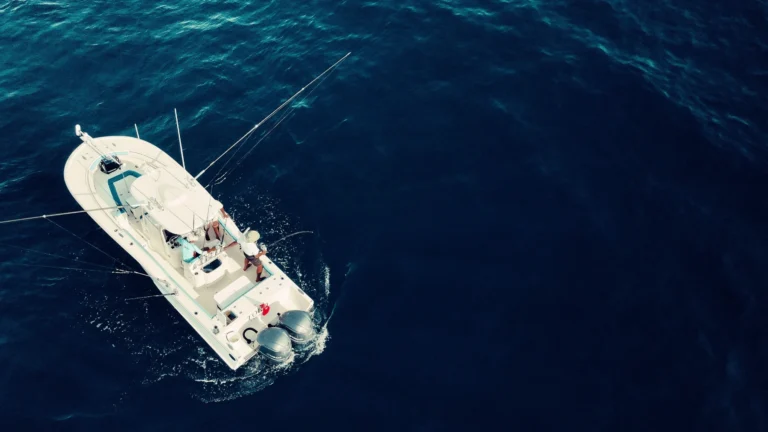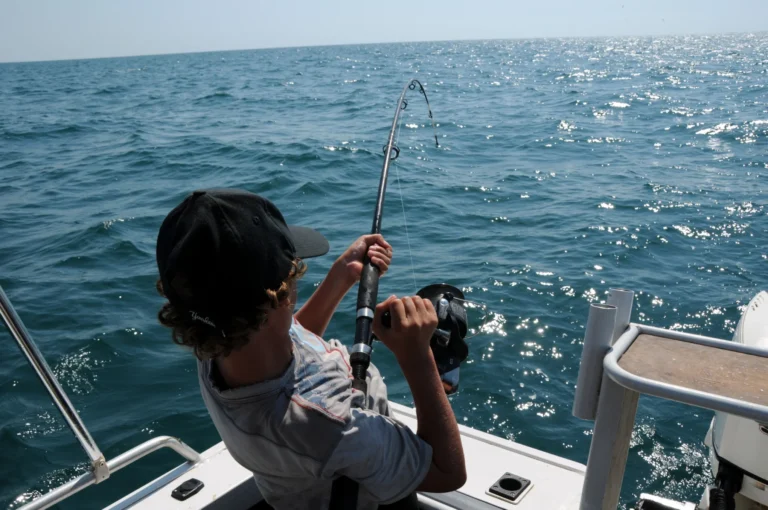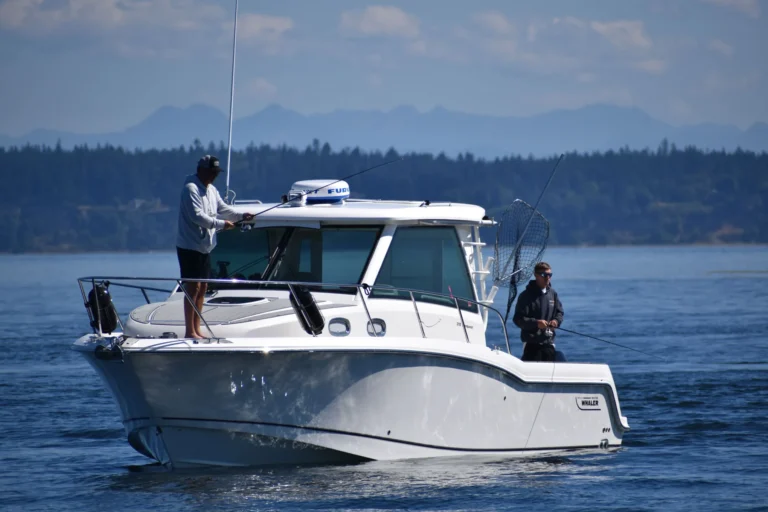
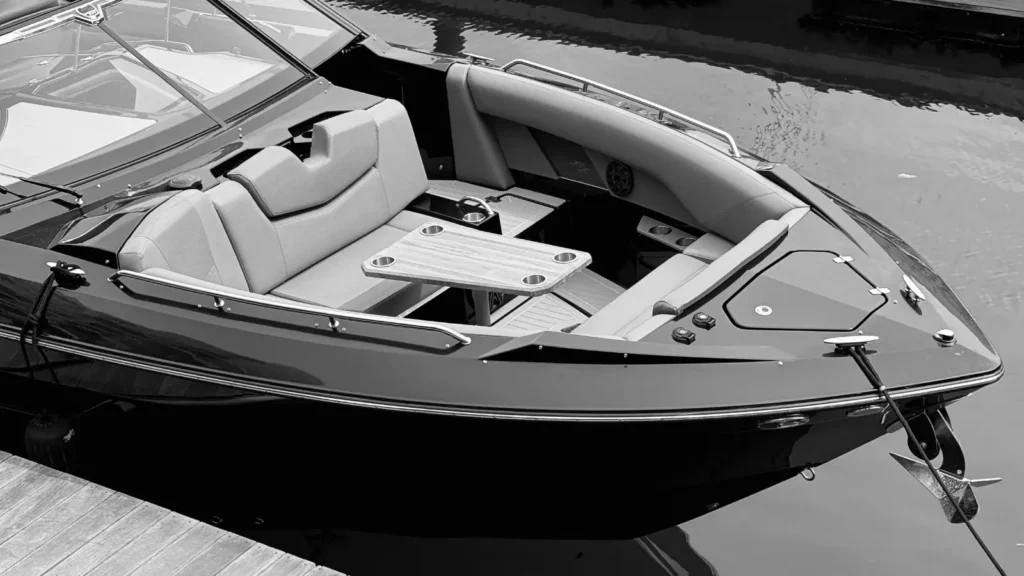
The boating season is underway in the US. This is the perfect time to plan a trip on the water. The first step is to prepare your boat before you hit the water. Proper preparation ensures a safe journey without any unexpected breakdowns. A complete inspection of your boat helps in identifying issues and setting them right before they turn into major repairs. If your vessel has been unused during the winter, this is the right time to start preparing to inspect, maintain, and get the vessel ready. Here is a detailed guide on what to check before the launch, how to de-winterize the engine, launch-day checklist, and much more.
When Does Boating Season Start?
The boating season starts in May and runs through September in most parts of the USA. However, it may vary depending on the region and its local weather.
Typical Start Dates by Region
- Northern US, including the Great Lakes – The season lasts from May to October, but it depends on the weather. The temperature should increase, and the risks of water freezing should decrease before the season starts.
- Southern US, including Florida and Southern California – The weather is favorable all year round, but the best time is from May to September.
- Coastal US – The season typically starts as early as March and can run into November, depending on local conditions.
How Climate and Water Temperature Shift Your Start Date
The risk of cold water, such as shock and hypothermia, remains even after the start of Spring. So, it is better to wait until the temperature rises to a comfortable level. Late snowmelt and heavy rainfall can affect the launch dates.
Why Prepare Your Boat for Boating Season?
Seasonal preparation of your boat is essential for ensuring safety and preventing breakdowns. A thorough checkup of safety gear helps in avoiding dangers. Checking engines and fuel filters eliminates the risk of the vessel breaking down and getting stranded. Minor issues may turn into costly engine failures if left unnoticed. Moreover, regular cleaning, waxing, and inspection ensure the vessel is protected from sun and salt damage. This extends the life of engines and increases the resale value of the boat. Preparing your boat helps you to start the journey on the water with confidence and avoid delays in launching.
Your Pre-Season Prep at a Glance
Pre-season prep involves only a few simple steps. There is no need to feel overwhelmed. The preparation process starts with a visual inspection of the deck and hull, and ends with verifying documents. If you are interested in knowing more details, go ahead and read the detailed guide covering all the steps in de-winterizing your boat and getting it ready for the season.
The 6 Systems to Check Before Launch
Before leaving the dock, you have to check the six main systems, which include the engine and fuel system, electrical system, hull and propulsion components, safety equipment, trailer and towing equipment, and registration and insurance documents.
Engine and Fuel System
Things to be checked in the engine and fuel system include fuel lines, fuel tank, engine oil, power steering fluid, cooling system, and steering.
Electrical System
Check that the batteries are not dead and their terminals are clean. You should also ensure that there are no loose connections.
Hull and Propulsion Components
The hull helps keep the water out of the boat. So, check if there are any cracks, blisters, or other damage. Inspect the propulsion components, such as the propeller, rudder, and trim tabs, for signs of corrosion.
Safety Equipment
Verify that life jackets of all sizes are in good condition, and visual signals, sound signals, flares, and fire extinguishers are present in the vessel.
Trailer and Towing Equipment
Unless the trailers are functioning properly, your boats cannot reach water. So, inspect them for tire pressure, greased bearings, and secure straps.
Registration and Documentation
Check if registration, insurance, and permits are updated and available on board.
Create a Pre-Launch Inspection Checklist
Creating a pre-launch inspection checklist helps ensure that you don’t miss anything. The checklist should include pre-launch checks to be made on the trailer before towing, at the ramp, and at the water’s edge.
When to DIY vs Book a Marina Service
Most of the pre-season preparation can be done by yourself. The DIY jobs include visual inspection, cleaning, testing batteries, checking fluid levels, inspecting safety equipment, checking fuel filters, testing navigation lights, checking the smooth functioning of steering, and inspecting fuel lines.
You have to book a marina service when there is a major repair in the fuel system, propeller, electrical system, structural fiberglass, or hull. You should avoid complex tasks and repairs that need special expertise and equipment.
De-Winterize the Engine and Key Systems
De-winterization is the first step in the pre-season preparation if your boat was winterized. The engine and fuel system need a lot of attention because they have been sitting idle for several months. De-winterizing the key systems reduces the risk of costly breakdowns, unexpected launch delays, and mechanical problems.
Essential De-Winterization Steps
- Test the battery first. Make sure the battery terminals are not corroded. Check the charge level and the battery performance.
- Next, check the fluid levels of the engine oil and hydraulic fluids. Ensure the gear lube is not milky.
- Flush out the antifreeze from the cooling system.
- Inspect the fuel lines for cracks. Replace the fuel filter if necessary and fill with fresh fuel.
- Start the engine, check if there is a strong flow of water from the exhaust, and listen closely for any abnormal noises.
Hull, Safety Gear, and Trailer Quick-Check
In most cases, hull, trailer, and safety gear are not checked during storage. However, they are very important for safety and to avoid leaks. When you use your boat after a long time, they should be checked well.
Hull and Exterior Inspection
Visually inspect the exterior hull for cracks, dents, and marine growth. Check if there is any marine growth on the outer side and if it needs a fresh coat of paint. Make sure that the ladders, seals, and rails are secure. Inspect the propeller, rudder, and shafts. The drain plug shouldn’t be corroded and should fit in tightly. All hull fittings, clamps, and valves must be checked, tightened, and replaced if necessary.
Safety Equipment Review
Make sure the fire extinguishers are fully charged and are working properly. Inspect the life jackets thoroughly for broken straps and rips. Check if there is any mold growth on the personal protective gear. Ensure the flares haven’t expired. The first aid kit should be restocked. Confirm that the sound-producing devices are in good condition and the throwable devices are ready and accessible.
Trailer Readiness Check
To ensure the trailer is road-ready, you should check the tires and the spare tire for cracks, the right pressure, and uneven tread. Check the bearings and make sure they are not corroded. Confirm that the nuts are tight and the trailer locks securely.
Launch Day Checklist
The day of launch has arrived, and it can be pretty exciting. However, you should not overlook some important checks and inspections if you want to avoid unwanted risks. Here is a checklist to have an enjoyable and stress-free trip on the water.
Before Leaving Home
Check if registration, insurance, and permits are updated and available on board. Confirm the fuel level will be adequate for the trip. Make sure the battery and fire extinguishers are charged. Test that the navigation lights, GPS, and VHF radio are working. Never forget to check weather forecasts and water conditions. Ensure the spare parts and tools are onboard.
At the Boat Ramp
Make sure the drain plug is in place, the safety equipment is loaded, the tie-down straps are removed, and the docklines are attached to the bow and stern. Then, you can proceed to launch the boat.
Final On-Water Checks
Check gauges, bilge pumps, steering, and throttle. Then, start the engine slowly. Inspect for leaks and warnings before heading into the water.
Common Pre-Season Mistakes to Avoid
One of the common mistakes is rushing the inspection process. It is a big mistake to assume the engine is running properly, skip the safety gear check, forget the drain plug, and overlook the fuel system. Ignoring minor issues is a mistake that can turn disastrous. Small problems like worn straps of safety gear, fuel leaks, and cracks in the hose may seem to be insignificant, but they may become highly risky and costly repairs. Some boaters inspect the boats and their systems thoroughly, but don’t give importance to trailers and their maintenance. This means trouble on the road, even before reaching the marina.
The best way to avoid the common mistakes is to prepare a checklist. Inspect all systems, including electrical, mechanical, and fuel systems. Don’t neglect minor issues. If any issue needs professional help, don’t hesitate to schedule their service. Monitor weather and water conditions before heading into the water.
Conclusion
Preparing your vessel before the start of the boating season ensures you have a safe, stress-free, and enjoyable trip without any hazards. A complete inspection of trailers helps in avoiding roadside issues, and a full check of the boat helps in avoiding major emergencies on the water. Follow a reliable checklist to ensure you don’t miss anything important. A little time spent and effort invested can be of great help in the best boating experience throughout the season. If you are planning to spend a lot of time on the water this season, visit Slipstream Boating for boat rentals and unforgettable boating experiences and adventures.
FAQs
How Long Does It Take to Prepare a Boat for the Season?
The time taken to prepare a boat depends on many factors, including the size of the boat, its condition, and the proper steps taken for winterization. The time taken may range from 10 to 30 hours for DIY preparation, and it may go up to 2 to 4 weeks for professional repairs.
When Should I Start Preparing My Boat for Boating Season?
It is better to start the process at least 4 weeks before the launch date. The mechanical checks should be completed at least 2 weeks before launch. This will give you time to address major issues. The cleaning process should be completed at least a week before.
Can I De-Winterize My Boat Myself?
Yes, you can do it yourself. The process mainly involves inspection of all components, recharging batteries, cleaning terminals, checking fuel lines, flushing antifreeze, checking safety gear, and sanitizing fresh water tank. However, you should get professional help for complex issues and major maintenance problems.
What Happens If I Don’t Flush Out Antifreeze?
Over time the corrosion inhibitors in antifreeze break down, and the fluid turns acidic. This results in corrosion, rusting, and the buildup of scale, and in the end, will lead to the ruin of water pumps and clogging of the heat exchanger passages. Moreover, the engine will become overheated and cause the failure of components like the heat exchanger, seals, and water pumps.
What Should I Inspect Before Launching a Boat After Winter Storage?
You should inspect the engine and fuel system, electrical system, hull, navigation lights, propeller, pumps, fluids, safety gear, and trailer. You should also check for corrosion during storage, worn straps, leaks, and the exterior for cracks and bends.
What Safety Equipment is Required Before Launching?
The vessel should have US Coast Guard-approved life jackets to fit all passengers on board, throwable personal flotation devices, fire extinguishers, visual signals, sound-producing devices, communication equipment, navigation lights, and a first-aid kit.