Planning to chase walleye across the western basin in summer? Pursuing a smallmouth bass on rocky structure? Visit Lake Erie, a productive body of water that hits well above its weight for the best fish variety, including yellow perch, steelhead, and others.
If you’re a true angler, you might have heard, “you should have been here yesterday.” Have you ever wondered, “Why yesterday?” It relates to yesterday’s environmental conditions. After all, what’s the point of burning daylight on a stretch of dead water?
This guide shares insights into everything you need to know, including the prime location, season, water temperature, wind, depth, techniques, and structure. Let’s dive in.
Understand Lake Erie Before You Fish
How Lake Erie Is Divided for Fishing (Western, Central, Eastern)
Lake Erie is divided naturally into three basins.
| Basin | Stretch | Fish Variety |
| Western | From the Ohio–Michigan line and the Toledo area east to a line running from Cedar Point at Sandusky to Point Pelee, Ontario. The shallowest basin, averaging about 24 feet. | Walleye, yellow perch |
| Central | From that Sandusky–Point Pelee line east to the sand and gravel bar between Erie, Pennsylvania and Long Point, Ontario. Averages about 61 feet. | Smallmouth bass, yellow perch, steelhead |
| Eastern | From the Erie, Pennsylvania bar east to Buffalo, New York. The deepest and coldest basin, averaging about 80 feet. | Steelhead, lake trout, salmon (during colder months) |
Note that Ohio’s share of Lake Erie, from Toledo east to Conneaut, sits entirely within the western and central basins. The eastern basin lies off Pennsylvania and New York, so Ohio’s licence and bag limits do not apply there.
Lake Structure and Depth –
Depth
You’ll find the trophy fish in depths ranging between 15 and 35 feet.
Wind
When wind pushes water over an underwater reef, the smallmouth rises in the upward direction to trap baitfish.
So, the basin you choose for fishing greatly affects the type of fish you’re likely to find, the fishing method you need to target, and whether fishing from a boat or the shore.
Why Lake Conditions Matter
Lake conditions have a great impact on where the fish move and how likely they are to bite. Consider various factors such as water temperature, wind, current speed, and water clarity before starting your fishing journey. Carefully analysing these conditions can help you track the right fishing region, depth, and the right method.
Ohio’s Lake Erie Shoreline
Regardless of the season, Ohio’s Lake Erie and shores are a popular freshwater fishing lake where both seasoned anglers and beginners go. It’s a hot spot for access points and piers where you can cast a line without being on a boat. You can also access nearby tributaries to catch fish at specific periods of the year.
Choose Your Target Fish First
Planning your target fish can make the Lake Erie fishing expedition more convenient and fun. Different regions and depths are habitats for different fish species.
| Species | Best Season | Where | Method |
| Walleye | Spring through Fall | Deeper waters, reefs | Casting, trolling |
| Yellow Perch | Summer through Fall | Deeper waters, shoreline | Using bait |
| Smallmouth Bass | Spring through Fall | Structures, rocky areas | Lure casting |
| Steelhead | Fall through Spring | Tributaries linked to Lake Erie | Using bait, small lures |
| White Bass | Spring to Summer | Shoreline, tributaries | Using bait, casting |
Walleye Fishing
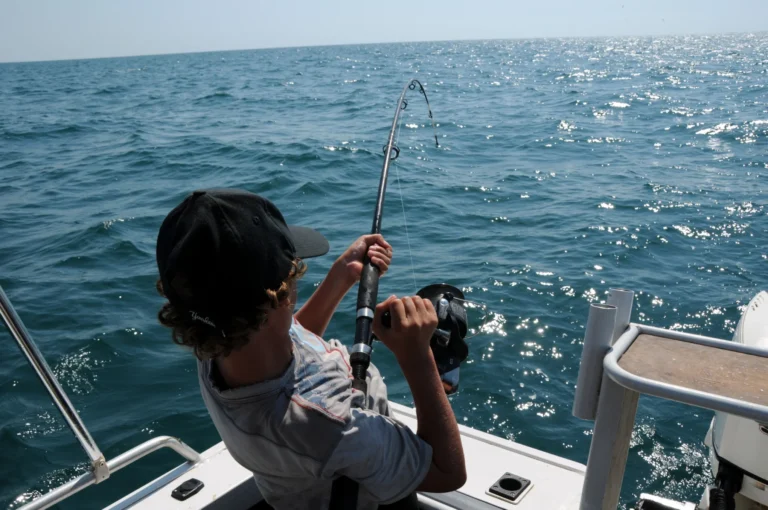
You may find them in the shallow or deeper regions depending on the season. Use techniques such as trolling and casting to catch them.
Yellow Perch Fishing
With changing temperatures, yellow perch move to deeper areas and the shoreline. The seasoned anglers make this legendary catch by using bait, either live or artificial. They are well-versed in aligning the depth according to the season.
Smallmouth Bass Fishing
Smallmouth bass are often found around rocky regions, points, reefs, and other structures. Choose these spots to cast a lure and catch them. Note that Ohio protects spawning smallmouth: from 1 May through the fourth Saturday in June, the daily limit on Lake Erie drops to one bass with an 18-inch minimum. Outside that window the limit is five with a 14-inch minimum. It is a reduced harvest limit, not a closure, so catch-and-release fishing continues through the spring.
Steelhead Fishing
Aim for tributaries linked to Lake Erie to target steelhead, especially during colder periods and winters. With more fish gathering in streams, you can easily target them using small lures and bait. Ohio’s steelhead fishing is generally at its best from October through May.
White Bass
White bass run up the tributaries and channels connected to Lake Erie in spring, once water temperatures reach roughly 55 to 64°F. The run starts as walleye drop back out of the rivers, peaks in early May, and can carry on into June. The Maumee and Sandusky rivers are the best-known destinations.
Lake Trout, Salmon, and Other Species
Lake Erie is a habitat for lake trout, salmon, and other species, with most of that fishing concentrated in the colder, deeper eastern basin off Pennsylvania and New York. Seasonal changes have a great impact on where and in which region these species can be found. So, keep track of the latest fishing regulations before heading out on the water.
Pick the Right Way to Fish Lake Erie
Choosing the right way to fish Lake Erie depends on the target fish, season, your angling experience, and lake situation.
Shore Fishing
Up for a casual fishing trip without having a watercraft? Go for shore fishing. You have access to the piers, shores, harbors, and tributaries, as you’re most likely to find fish in these areas.
Boat Fishing
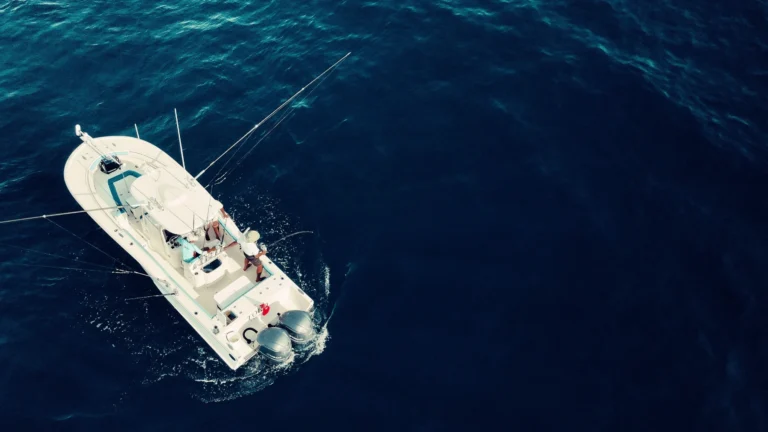
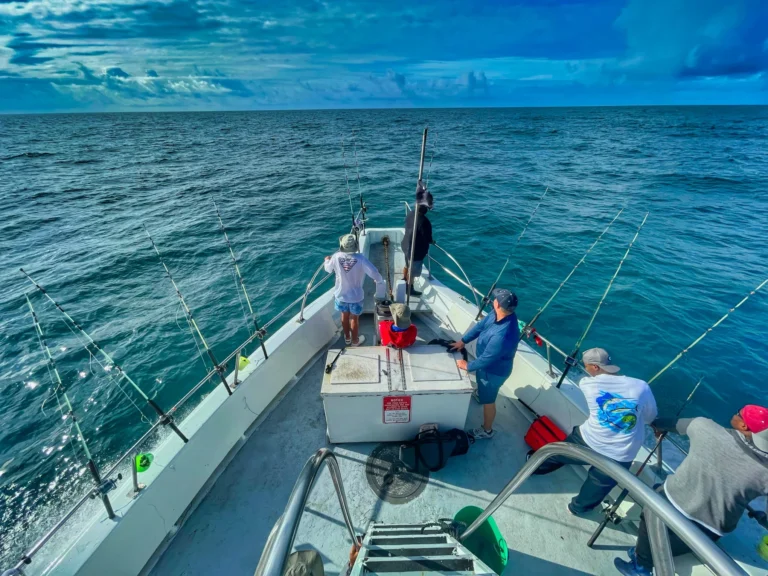
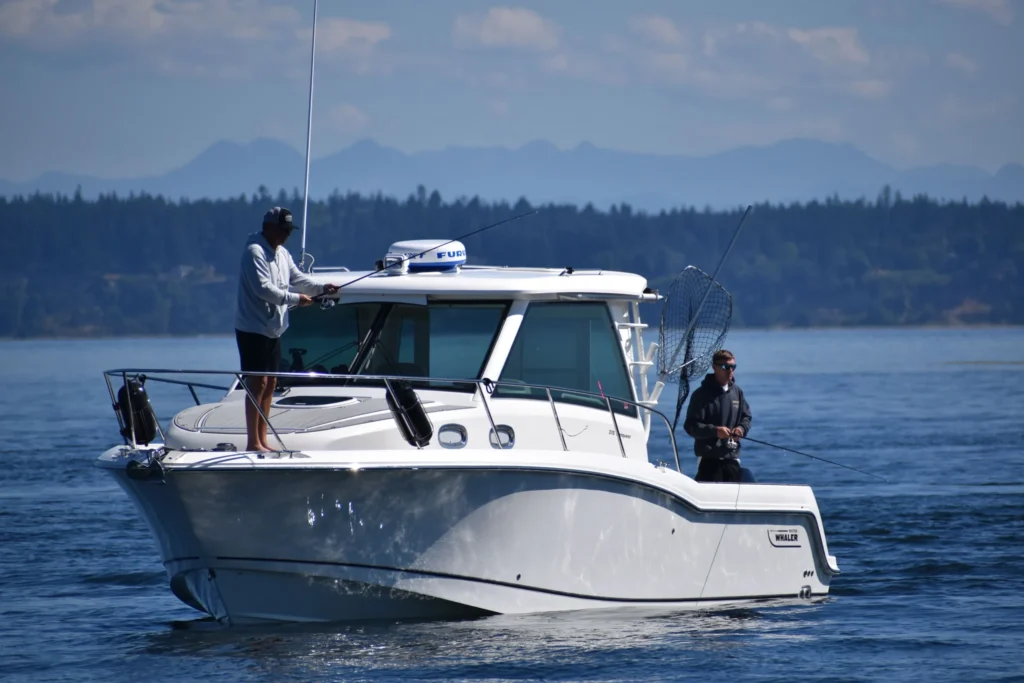
If you want to navigate Lake Erie at your own pace and reach spots that are otherwise inaccessible, boat fishing is the ideal choice. A boat lets you reach the deeper regions and track the fish that may have moved away from the shallower areas.
Tributary Fishing
Opt for tributary fishing, especially during winter. You may find steelhead in the channels and rivers linked with Lake Erie. Stay updated with the fishing regulations before heading out in these regions.
Ice Fishing
If the conditions allow, ice fishing can be a golden opportunity for anglers to catch walleye and yellow perch. Ohio has its own ice-fishing rules: holes may be no more than 12 inches across, you may use a maximum of six tip-ups and three rods, and shelters and tip-ups must display your name and address or customer ID number. Normal size and bag limits still apply.
Be realistic about availability. Great Lakes ice cover has been declining for decades, and recent winters have swung from almost no ice at all to a solid season. Check the current ice conditions and treat ice as unsafe until proven otherwise.
Find Fish by Reading the Lake
Learn to find out where fish hold in Lake Erie by reading the structure, current, and depth.
Watch Water Temperature
Water temperature affects the movement of fish. With the changing temperature, the fish move to search for food between the shallow and deep regions. So, watching for water temperature can help you track the fish movement.
Pay Attention to Wind
Wind pushes baitfish toward the shoreline, which draws larger fish in behind them. Thus, on a windy day, the choppy surface of the lake is more productive than the calmer one. So, pay attention to the direction of wind when looking for the right fishing spot.
Look at Water Depth
Not all parts of the lake are the same depth. Fish love areas where the bottom drops from shallow to deep. These areas give fish shelter and a steady flow of food. Check for sudden changes in water color to find the fish.
Identify Underwater Structure
Fish often move to drop-offs, shoals, breaks, and points in search of shelter and food. These are the best hidden spots for fish and are quite useful when looking for the right fishing area.
Match Your Fishing Method to the Conditions
There is no specific fishing technique that works throughout the year on Lake Erie. The fish movement solely depends on the water temperature, weather conditions, and depth.
Trolling for Walleye and Other Fish
If you’re chasing walleye and other fish in a larger region, trolling can be an ideal option. Adjust your speed and location based on the region where you’re fishing. The depth of trolling also depends on water temperature and season.
Casting Around Structure
Choose casting to catch the fish surrounding the rocky regions and docks. Simply cast a lure around these areas and target the popular smallmouth bass. You can fine-tune your retrieve based on the fish movement.
Fishing Deeper Water
Deeper water fishing is useful during the summer season when fish drift away from the shallower regions. The depth at which you can track the fish depends on water temperature and current lake conditions.
Fishing During Low-Light Hours
Fishing during low-light hours can be useful, as during this time, fish movement increases. The change in light can have an impact on how the fish feed. However, it’s not always the right option.
Build Your Fishing Plan Around the Season
Planning your fishing trip according to the season can help you find the right spot, equipment, and angling technique.
Early-Season Fishing
As water temperature starts to rise in spring, it’s easier to spot the fish in shallower regions. Choose the fishing technique according to the lake conditions and conveniently target walleye and yellow perch.
Summer Fishing
As summer approaches, water gets warmer. The fish are more likely to move to deeper regions. Choose boat fishing to access the deeper regions and catch fish.
Fall Fishing
The temperature drops during fall, and fish start moving to different regions in search of food. Fall is one of the strongest stretches of the year on Lake Erie — walleye push west into shallow water and the perch fishing is often at its best. Anglers can grab the opportunity to target popular species such as walleye, yellow perch, and smallmouth bass.
Winter Fishing
With winter come unique fishing opportunities, particularly in tributaries and ice fishing. Consider lake conditions before heading out and choose the right fishing gear. Walk on ice only when it’s safe to go there.
Use Cleveland as Your Lake Erie Fishing Base
Want to bring your Lake Erie fishing expedition to the next level by boat? Cleveland can be your fishing base.
Cleveland Boat Clubs for Lake Erie Access
If you’re up for fishing on Lake Erie but don’t want to deal with the hassles of boat ownership and maintenance, Cleveland Boat Clubs can be the right fit for you. Depending on the type of membership, these clubs let you access Lake Erie by boat and find the right fishing spot.
Freedom Boat Club North Coast Harbor Marina
Freedom Boat Club North Coast Harbor Marina lets you enjoy boating in the Cleveland region, without worrying about owning a boat.
Lakeside Yacht Club
Lakeside Yacht Club offers an exclusive freshwater boating experience on Lake Erie, along with top-notch club amenities.
Northeast Yacht Club
Northeast Yacht Club offers an affordable membership with a secured harbor, just a few miles east of downtown Cleveland.
Freedom Boat Club Cleveland Channel Park
Freedom Boat Club Cleveland Channel Park is the right fit for those looking for easier water access without having their own boat.
Prepare Before Going Out on Lake Erie
Preparing for a fishing expedition ensures more safety on the water. Since the conditions on the lake can turn hazardous very quickly, don’t keep believing the weather conditions you checked before leaving.
Check the Lake and Marine Forecast
Check the most up-to-date weather forecast before you head out for Lake Erie. Look for the changing winds, current, water temperature, and marine conditions. This can help you make a better decision on whether to continue with your fishing trip or not.
Prepare for Changing Weather
Pack layers for changing weather conditions during the fishing trip on Lake Erie. Ensure that you have enough to deal with the stronger winds and rain. If conditions turn unfavorable, it’s best to go back.
Carry Essential Safety Equipment
Ensure that there are well-fitting life jackets for everyone on board. In addition, check the flotation devices to ensure safety. Your boat must have all the safety equipment, including a VHF radio and first-aid kit.
Bring the Right Fishing Gear
Carry the right fishing gear, including the rod, bait, and other equipment that suits the target fish you’re chasing. The right equipment may differ depending on where you fish and the technique you use.
Shore Fishing or Boat Fishing: Which Fits Your Trip?
There is no one-size-fits-all when it comes to choosing between shore and boat fishing on Lake Erie. The right fit is solely based on how much time you spend, which fish type you’re willing to catch, and the lake conditions.
When Shore Fishing Is a Good Option
- Up for a shorter fishing trip? Choose shore fishing.
- It’s the right fit when you don’t have your own watercraft.
- Go fishing on shore if the fish you target is on the shoreline.
- You don’t have to worry about the changing lake conditions.
When Boat Fishing Makes More Sense
Having a boat by your side allows you to explore Lake Erie more conveniently and reach the fishing regions that are otherwise inaccessible.
- Best option for deep-water fishing expeditions.
- Opt for boat fishing if the target fish is away from the shoreline.
Consider Your Experience and Lake Conditions
It’s important to know your fishing experience before starting your trip. Ensure that you can simultaneously deal with boating and angling. Also, keep checking wind, lake conditions, and current weather before leaving. Monitoring weather can help you prevent last-minute surprises on the water. If the lake conditions are not favorable, opt for shore fishing.
Check Lake Erie Fishing Regulations
Before planning to go fishing on Lake Erie, take some time to check the updated fishing regulations.
Ohio Fishing License
You need a valid Ohio fishing license if you’re 16 years of age or older and fishing in Ohio waterways. Anglers under 16 do not need one. Ohio also runs Free Fishing Days each June, when residents may fish public waters without a licence, though size and bag limits still apply. Other exemptions cover landowners and their children fishing their own property, tenant farmers, and active-duty military home on leave. Check the recent regulations on the Ohio Department of Natural Resources before heading out.
License-at-a-Glance
| Who Needs One | Typical Cost | Where to Buy | Walleye/Perch Limits |
| Anglers 16 years of age or above | Resident annual — $25.00. Resident senior (65+) annual — $10.00. Resident one-day — $14.00. Non-resident annual — $76.96. Non-resident one-day — $27.04. Non-resident three-day — $52.00. Ohio does not sell a two-day licence. | Online, through the HuntFish OH app, or from licence sales agents | Walleye — 6 per day, 15-inch minimum. Yellow perch — 30 per day in the West Zone, 10 in the Central Zone, 20 in the East Zone, with no minimum size. |
Catch and Size Limits
The limit on catch and fish size depends on the type of fish you target and the location. For the current season, anglers can keep six walleye per day with a minimum size of 15 inches. Note that ODNR sets the walleye and perch limits for the year beginning 1 May each April, after the Lake Erie Committee agrees the harvest allocation, so confirm the figures before you travel.
Ohio’s yellow perch limits are set by three management zones that are defined by lines of longitude rather than by the lake’s basins:
- West Zone — the Ohio–Michigan line east to W 82° 30.000′, roughly Toledo to Huron: 30 fish per day.
- Central Zone — W 82° 30.000′ east to W 81° 20.000′, roughly Huron to Fairport Harbor: 10 fish per day.
- East Zone — W 81° 20.000′ east to the Ohio–Pennsylvania line, roughly Fairport Harbor to Conneaut: 20 fish per day.
Seasonal Rules
Some fish species can be caught or kept only during certain seasons, and some have reduced limits at spawning time, such as the smallmouth bass restriction from 1 May to the fourth Saturday in June. You may not be permitted to use specific fishing techniques the whole year. So, always stay updated with the latest fishing regulations before heading on the water.
Fishing Near Canadian Waters
Taking your fishing expedition to the US-Canada border brings you into a different jurisdiction, and two separate rules apply.
First, your Ohio licence is not valid in Ontario waters. To fish the Canadian side you need an Ontario licence — either a one-day or eight-day licence, or an Outdoors Card paired with a Sport or Conservation licence. Ontario’s bag limits apply there, not Ohio’s.
Second, simply crossing the boundary line and fishing without stopping does not require you to report to the Canada Border Services Agency. You must report if you land on Canadian soil, or if you anchor, moor, or come alongside another vessel in Canadian waters. Anchoring to fish is the step that catches people out, and the minimum penalty for failing to report is $1,000.
Lake Erie Fishing Mistakes to Avoid
Let’s explore the common mistakes to avoid to help you have a successful angling trip.
Ignoring Wind and Waves
The weather at Lake Erie is quite prone to change. It’s best to keep an eye on the weather forecast and conditions before leaving for fishing. Also, keep looking for changing winds, current, and weather while casting.
Staying in One Location Too Long
If no fish are ready to bite, consider moving on from that region. Fish often move based on lake conditions such as water temperature, current, depth, and food. So, instead of sitting in one location for so long, consider another location if you can’t find any fish.
Using One Technique All Day
A fishing method that works in one location might not work in another. You may have to change it based on the type of fish you target, depth of the water, and weather conditions.
Forgetting to Check Regulations
Fish rules and regulations are subject to change. So, never forget to check the latest regulations before leaving for your next trip. These regulations include your license requirements and catch limits for the type of fish you want to target.
Underestimating Lake Erie Conditions
The conditions might seem favorable by the time you leave for the expedition. However, these can change drastically. Strong winds and changing current speed can make it difficult to balance your boat and sail across the lake.
Final Thoughts
Preparing before leaving for the trip can make things easier for you. Start by determining which fish species you want to target and pick up the right technique based on the season and conditions. Make a decision between boat fishing and shore fishing according to your experience level. Stay in touch with the latest fishing regulations before heading out on the water.
If you want to celebrate that legendary catch with your friends but without bearing the burden of owning a boat, boat access options are meant for you. Pick up the boat and find the inaccessible fishing spots.
Frequently Asked Questions About Lake Erie Fishing
What Fish Can You Catch in Lake Erie?
Lake Erie holds only about 2% of the water in the Great Lakes but accounts for roughly half of their fish — an estimate from Ohio State University’s Stone Laboratory that is supported by harvest data showing Lake Erie out-producing the other four lakes combined. The best and most sought-after fish in the lake include yellow perch, walleye, steelhead trout, and smallmouth bass.
Can You Fish Lake Erie from Cleveland?
Yes, Cleveland offers seasoned anglers the chance to explore Lake Erie. You can access certain areas, including lake shores, harbors, and nearby channels.
What Is the Best Time to Fish Lake Erie?
There is good fishing from roughly March through November. June and July are ideal for walleye and May and June are considered the best for smallmouth bass, but autumn is among the strongest stretches of the year for both walleye and yellow perch, and steelhead fishing runs from October into May.
Can You Fish Lake Erie from Shore?
Yes. Much of Ohio’s Lake Erie shoreline is privately held, but ODNR maps roughly 190 public access sites covering about 19% of the state’s 312-mile coast, including state parks, metroparks, dedicated fishing piers, break walls, and more than 100 public boat ramps. River mouths and tributaries such as the Grand River are productive from shore at the right time of year.
Can You Ice Fish on Lake Erie?
Yes, when conditions allow, though recent winters have varied from almost no safe ice to a full season. Ohio limits you to holes no larger than 12 inches, six tip-ups and three rods, and requires your name and address or customer ID on shelters and tip-ups. Check current ice conditions and the latest fishing regulations before starting the expedition.
Do You Need a Fishing License for Lake Erie?
Yes, you need a fishing license to fish on Lake Erie. The license requirements change according to your age and where you fish. Check the local fishing rules before leaving for the expedition.