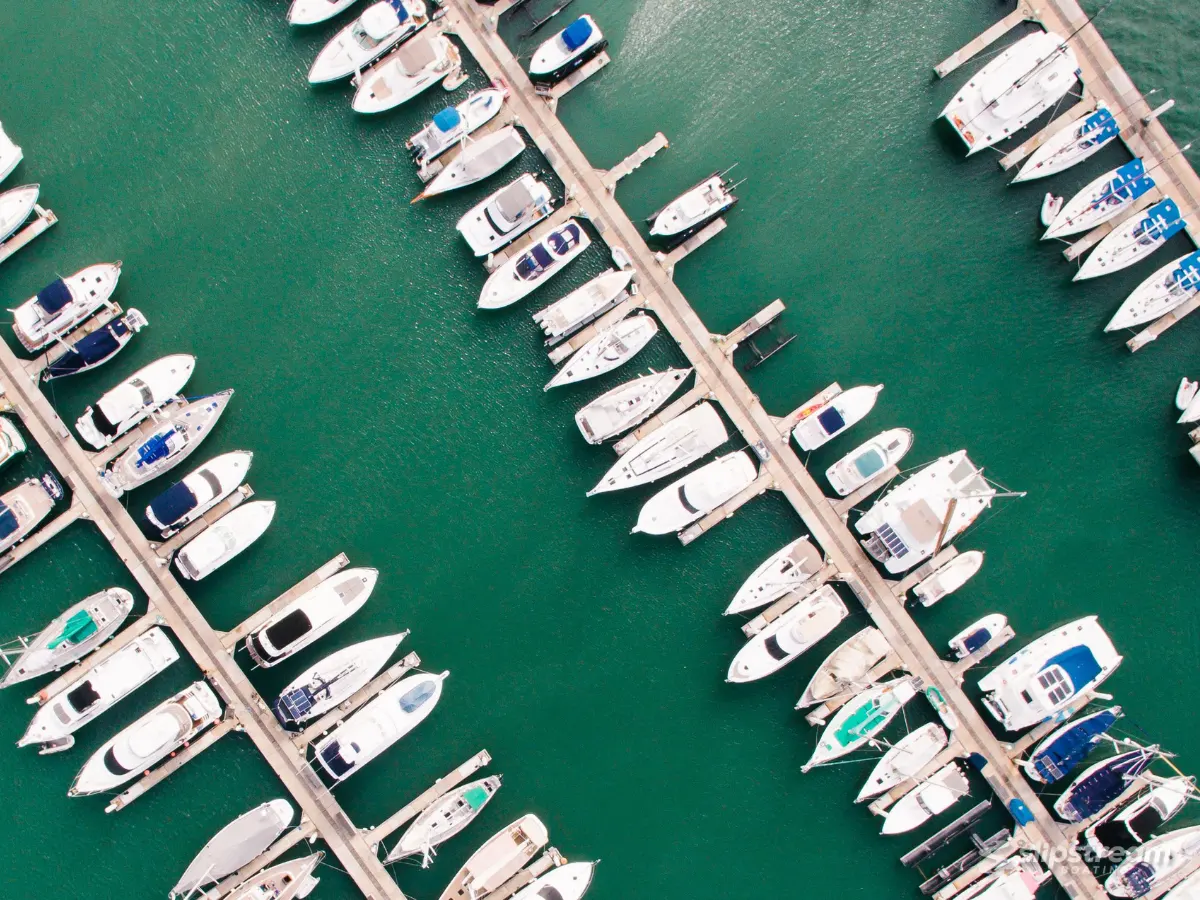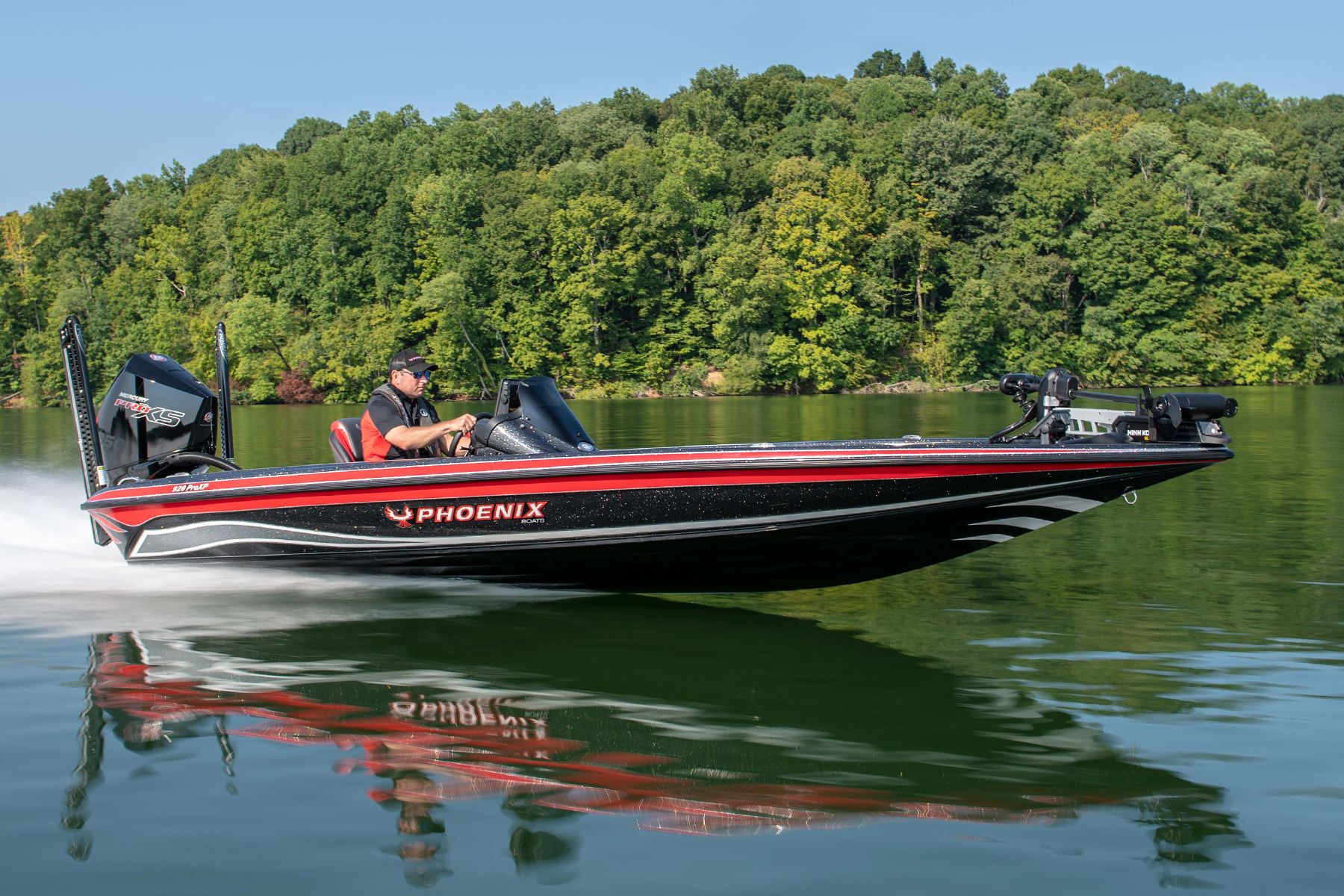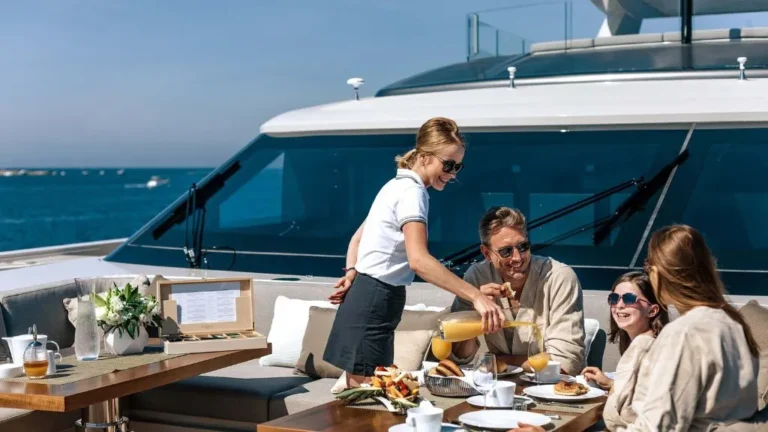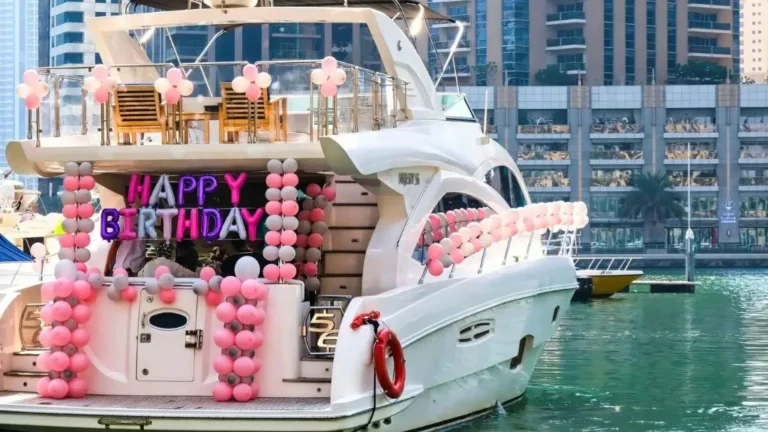
We make it easy to get discovered. Whether you're a Boat Club, Boat Rental, Marina or Boat Dealer — we connect you with boaters looking for what you offer. Hassle-free setup. Flexible plans. Maximum exposure.

Boats for Every Buyer
Shopping for your first boat? Or ready to upgrade? Slipstream connects you with dealers offering new and used boats across all price ranges. From fishing skiffs to luxury cruisers, you’ll see verified listings, compare options, and connect directly with sellers to find the boat that’s right for you.
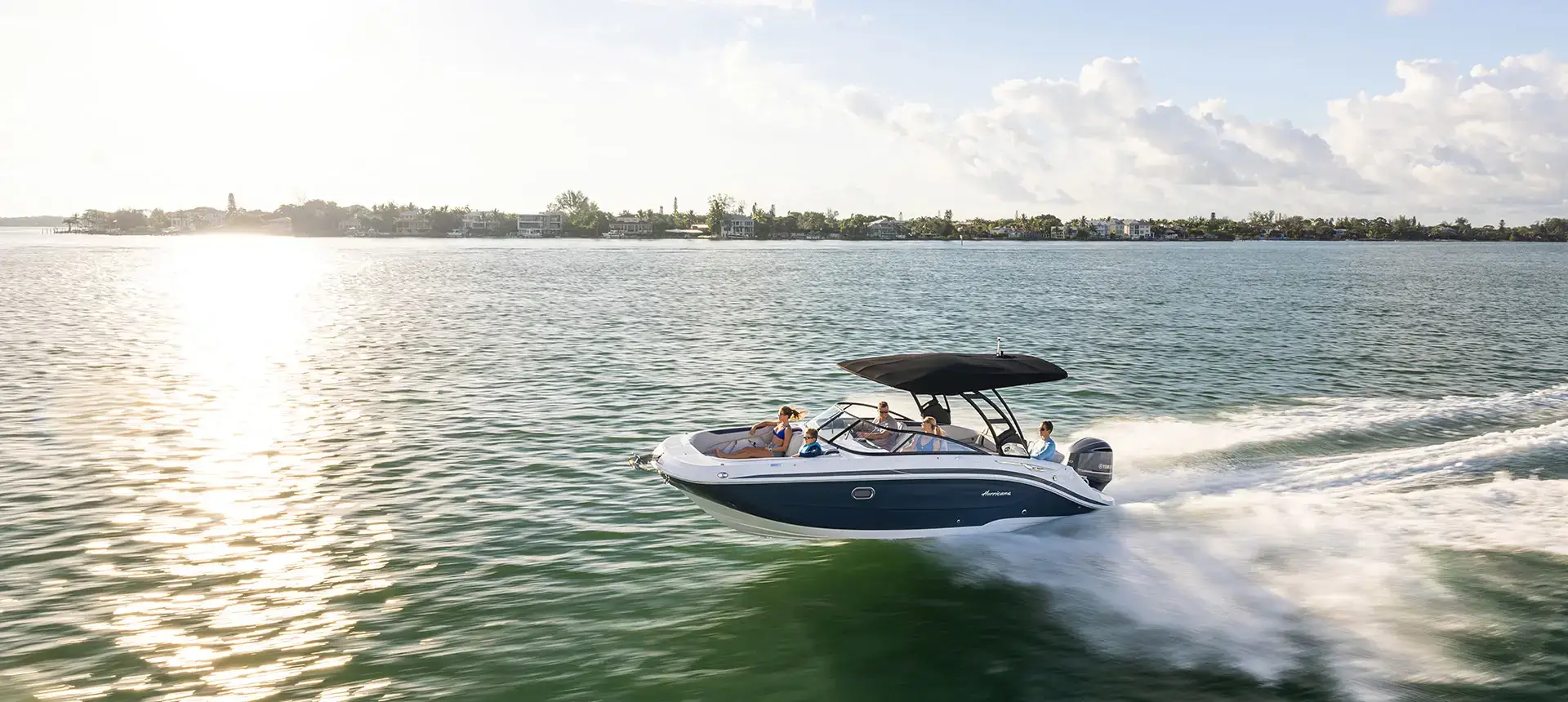
Our blog has destination guides, boating tips, gear advice, and stories from people already on the water. It's a great way to plan your next outing.
Dealers in Accomac carry Avalon, Sea Hunt and Tracker, both new and pre-owned depending on the dealer.
Virginia requires boating safety education and proof of compliance rather than a separately named boating license. All personal watercraft operators age 14 or older and every operator, regardless of age, of a motorboat with a 10 horsepower or larger engine must comply and carry proof; the Virginia Department of Wildlife Resources administers the program.
A PWC operator must be at least 16, except a 14 or 15 year old may operate after completing an approved course and carrying proof. Compliance can also come from a rental or lease agreement naming the authorized operator, a nonrenewable 90 day temporary operator’s certificate issued with a newly acquired boat’s registration, direct onboard supervision by a compliant operator, or certain qualifying maritime, military, nonresident, and commercial fishing credentials.
Source: Virginia Department of Wildlife Resources (dwr.virginia.gov)
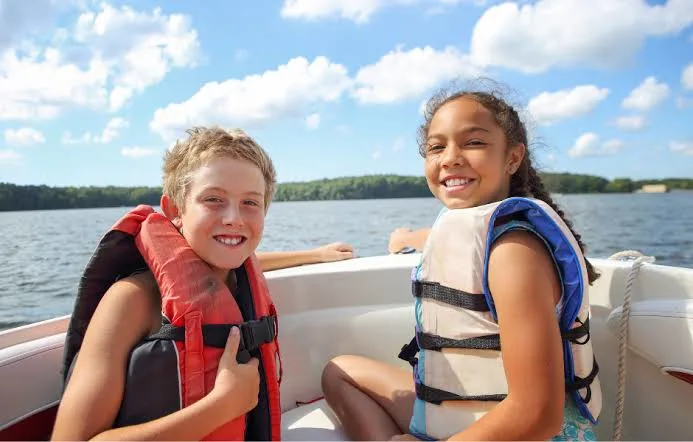
Virginia boaters should carry required safety gear, stay sober, use registered boats, and obey personal watercraft and no wake rules. The Virginia Department of Wildlife Resources requires one wearable U.S. Coast Guard approved life jacket per person. On federal waters, children under 13 must wear one unless below deck or in an enclosed cabin; most Virginia waters are considered federal. A 0.08 percent blood alcohol concentration creates a presumption of being under the influence. Motorized watercraft require registration, with the certificate aboard. PWC operators must be at least 16, or 14 to 15 with approved education, and may operate only between sunrise and sunset. Maintain no wake speed within 50 feet of docks, ramps, and people in the water.
Source: Virginia Department of Wildlife Resources (dwr.virginia.gov)
Late May through September is the best overall boating window in Virginia, with June through August as the peak season and May and September as shoulder months. Virginia State Parks says rentals are generally most available from Memorial Day weekend through Labor Day, while some parks offer weekend rentals in spring and fall.
On the Chesapeake Bay near Norfolk, average surface water rises from 66°F in May to 74°F in June, peaks near 79–80°F in July and August, and remains about 75°F in September. September is still warm, but Virginia’s hurricane risk peaks from mid-August through late October, so monitor forecasts; weather and water conditions can suspend rentals.
Source: Virginia State Parks (dcr.virginia.gov)
The best places to boat in Virginia include Chesapeake Bay and Back Bay on the coast, Smith Mountain Lake in the Blue Ridge, and the James River from the mountains to Hampton Roads. Chesapeake Bay suits broad open water trips, while Back Bay offers a quieter paddling setting at False Cape. Smith Mountain Lake is one of Virginia’s largest freshwater bodies and supports powerboating, sailing, paddling and fishing. The James ranges from rapids and calm fishing water upstream to wider, easier to navigate water below Richmond.
Source: Virginia Department of Conservation and Recreation (dcr.virginia.gov)
Virginia’s most popular boating destinations include Virginia Beach, for offshore Atlantic fishing; the Chesapeake Bay, for varied saltwater fishing; Smith Mountain Lake, for 500 miles of shoreline and big water recreation; Lake Anna, for more than 200 miles of shoreline and about 13,000 acres of water; Buggs Island Lake, Virginia’s largest lake, for expansive freshwater boating; and Cape Charles, for Chesapeake Bay access, a harbor, marinas, a boat ramp and sport fishing. Together, these destinations cover ocean, bay and inland lake outings.
Source: Virginia Tourism Corporation (virginia.org)