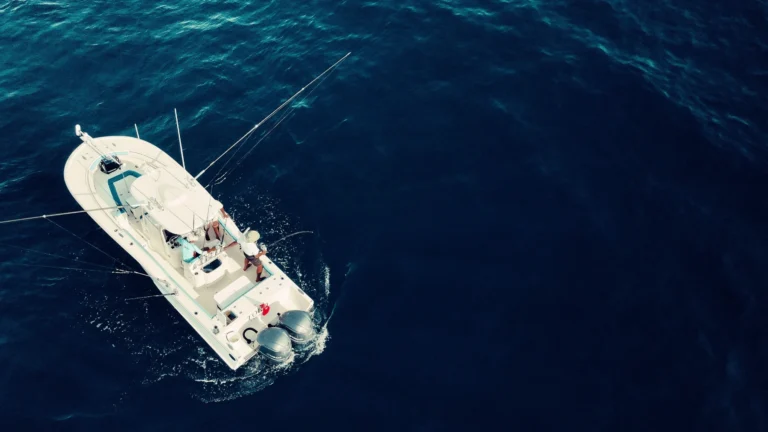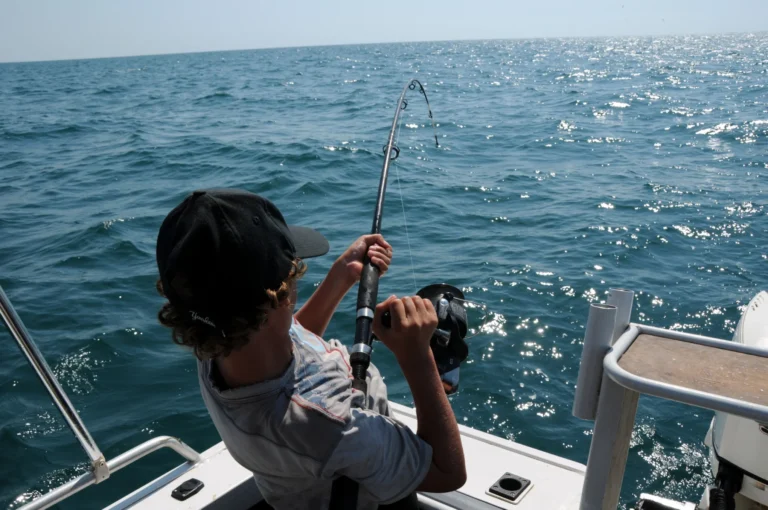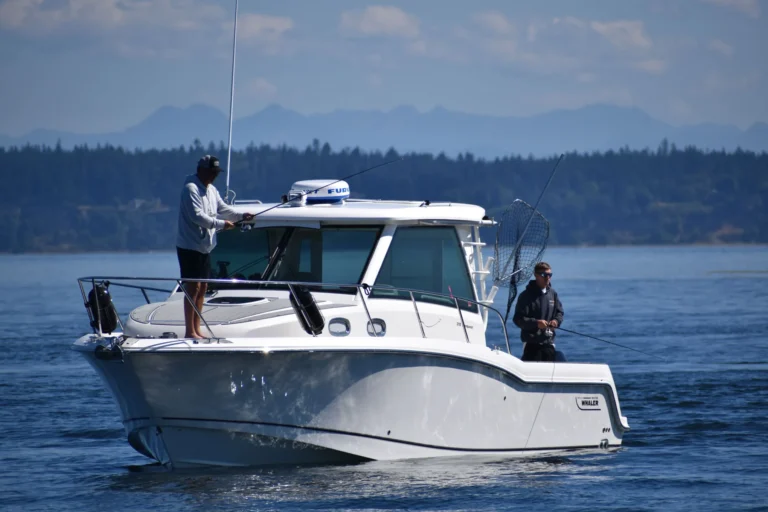
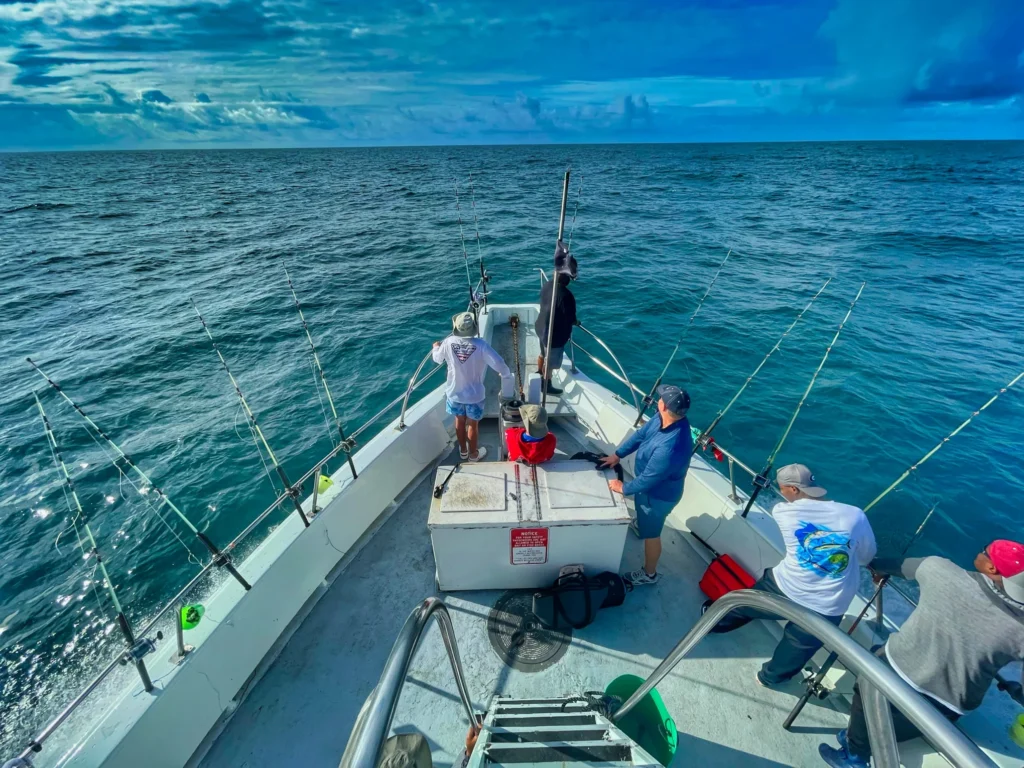
Gulf Shores is known for its white-sand beaches and clear Gulf waters, but there is much more to fishing here than casting from the beach. Anglers can fish from a pier, along the surf, in the back bays and lagoons, or head farther offshore for larger species.
The best place to fish depends on what you want to catch, the time of year, the weather and tides, and whether you are fishing from land or a boat. This guide covers some of the popular fishing spots around Gulf Shores, the different ways to fish, the species you may encounter, and a few practical tips to help you plan your trip.
Where to do Gulf Shores Fishing
Gulf Shores offers several diverse experiences with many fishing environments, different conditions, and target species. Choose one to suit your fishing method and season.
Gulf State Park Pier
It is one of the major saltwater fishing destinations offering opportunities for anglers without a boat. You have access beyond the shore because of its extended structure. Depending on the season, the popular catches include pompano, flounder, speckled trout, bluefish, Spanish mackerel, etc.
Gulf Shores Beaches and Surf Fishing
Gulf Shores beaches offer year-round surf fishing. The coastline offers abundant marine life. You’ll need to adjust your tactics based on the tides, water clarity, weather, and surf conditions. Catches include pompano, whiting, flounder, speckled trout, and redfish.
Back Bay and Lagoon Fishing
Back Bay waters and lagoons in Gulf Shores offer productive waters brimming with redfish, flounder, speckled trout, black drum, and others. The fishing techniques and the type of fish vary for shallow flats, shoreline structures, and channels.
Fort Morgan Fishing
Fort Morgan sits at the tip of the peninsula where Mobile Bay meets the Gulf, with calmer bay water on one side and open Gulf on the other. It is popular for inshore, surf, and nearshore fishing. It is ideal for catching redfish, flounder, sheepshead, and Spanish mackerel. To explore and enjoy these waters without owning a boat, you can consider Fort Morgan Boat Club.
Perdido Pass and the Jetties
Perdido Pass, at Alabama Point in neighbouring Orange Beach, connects Perdido Bay and Old River to the Gulf. The rock structures on either side of the pass are productive because they give access to deeper holes. Note that the western structure is a conventional walkable rock jetty, while the eastern one is a combination weir-jetty whose crest sits just below mean low tide. The incoming tides push species such as flounder, redfish, pompano, and other coastal species through the pass. The species change depending on the season.
Types of Fishing in Gulf Shores
Depending on the species and fishing environment, Gulf Shores offers several fishing styles. Choose the fishing type depending on your experience, boat access, and weather.
Inshore Fishing
Fishing in shallow waters such as bays, estuaries, lagoons, docks, bridges, passes, grass flats, and manmade structures, typically less than about 30 feet deep, is inshore fishing. Common fish species you can target in Gulf Shores are redfish, flounder, sheepshead, and speckled sea trout.
Offshore Fishing
Fishing in deep waters well away from the shore is offshore fishing. Alabama state waters extend nine nautical miles out, and federal waters begin beyond that. The techniques used for offshore fishing include trolling, jigging, and deep-dropping. You can target larger and more powerful fish like snapper, tuna, and king mackerel in Gulf Shores’ offshore fishing.
Pier Fishing
Pier fishing involves fishing from a raised platform without a boat. The essential equipment you need includes rods, reels, tackle, and bait. Common target species are flounder, redfish, speckled trout, sheepshead, whiting, and Florida pompano.
Surf Fishing
With 32 miles of white-sand Gulf beaches, Alabama’s coast provides a lot of opportunities for anglers to cast from beaches and shoreline areas. A successful catch depends on bait selection, tides, water clarity, and weather. The common catch includes pompano, whiting, flounder, and redfish.
Fishing From a Boat
Fishing from a boat gives access to more fish that cannot be reached from land, as it takes you deep into the waters. It allows you to reach inshore and offshore areas. It is a good option for anglers who want to explore deeper waters.
Best Fish to Catch in Gulf Shores
Gulf Shores offers a wide range of saltwater species. The catch varies based on season, location, and water conditions.
| Species | Best Season | Where to Catch | Method |
| Redfish | Year-round, spring for best action | Bays, estuaries, and grass flats | Natural baits and artificial lures |
| Speckled Trout | Year-round but active in spring and fall | Bays, grass flats, channels, and bridges | Live baits like shrimp, artificial lures like jig heads |
| Flounder | Spring, summer, and fall migration | Beaches, passes, bays, and flats | Live baits and artificial lures |
| Red Snapper | Summer | Artificial reefs and rigs | Bottom fishing with natural baits like cigar minnows |
| King Mackerel | Summer-fall | Underwater wrecks and reefs | Trolling, dead baiting, and tackle |
| Cobia | Spring-early fall | Nearshore waters, buoys | Sight casting, live or artificial baits |
| Amberjack | Summer | Shipwrecks, artificial reefs, and rigs | Bottom fishing with live baits or artificial lures |
Redfish
Redfish are available all year round. However, spring is the prime time. They inhabit grass flats, bays, and estuaries. Use live and cut baits or artificial lures in shallow waters and along shorelines.
Speckled Trout
Speckled trout are seen year-round but are most active in spring and fall. Target grass flats, reefs, creeks, and canals with live shrimp, small baitfish, or soft plastics.
Flounder
Flounder are found in bays, beaches, piers, and jetties during spring, summer, and fall migration. Live baits and lures on jig heads are effective. Note that Alabama closes flounder harvest for the whole of November, during the spawning migration.
Red Snapper
Red snapper is caught by bottom fishing using cigar minnows during summer on rigs and artificial reefs. It is Alabama’s most tightly managed species — the season is set annually and runs until the state quota is met, so confirm the open dates before you book.
King Mackerel
Found in underwater wrecks and reefs, king mackerel can be caught around wrecks and artificial reefs with baits or lures.
Cobia and Amberjack
Cobia favour nearshore and offshore areas, while amberjacks favour deeper areas. They are targeted from boats with live baits and artificial lures. Greater amberjack has a short, shifting open season in the Gulf, so check before targeting them.
Other Gulf Shores Fish Species
Other Gulf Shores fish species include pompano, whiting, sheepshead, black drum, tuna, and grouper.
When is the Best Time for Gulf Shores Fishing
Gulf Shores favors fishing all year round. There is no single best time. Fish availability and activity change depending on water temperature, weather, and bait movement.
Spring Fishing
Warming coastal waters of Gulf Shores increase the movement of migratory fish in spring. You can target redfish, flounder, pompano, whiting, cobia, sheepshead, speckled trout, Spanish mackerel, and king mackerel. Some species are found in bays and grass flats, and some in creeks, lagoons, etc.
Summer Fishing
Summer, lasting from May to September, brings in a variety of target species, including red snapper found on reefs, king and Spanish mackerel found at the pier and in nearshore waters, flounder and redfish found along shorelines, and whiting and pompano found in the surf along the beaches.
Fall Fishing
The weather becomes cooler, and the fish migration is active in the fall. If you are planning for surf or pier fishing, you can expect to target pompano, whiting, bluefish, king mackerel, and Spanish mackerel. If you are fishing nearshore and inshore, the species you can target are redfish, flounder, speckled trout, and sheepshead. Remember that flounder harvest is closed throughout November.
Winter Fishing
The temperature dips in winter. This reduces fish activity and changes their behavior. Fish move from flats to creeks, channels, and other offshore structures. You can catch inshore species like redfish, sheepshead, black drum, and speckled trout, and offshore species like grouper, tuna, and amberjack.
Gulf Shores Fishing Charters
Fishing charters are a stress-free option for anglers who want to explore the fishing opportunities in Gulf Shores without owning a boat. No need to worry about equipment, gear, licenses, productive fishing areas, or other problems when you go on a charter.
Inshore Fishing Charters
Inshore charters focus on bays, lagoons, calm backwaters, and shallow coastal waters. You can target species such as redfish, flounder, black drum, sheepshead, and speckled trout using bottom fishing techniques, live bait, and artificial lures.
Offshore Fishing Charters
You can travel deep into the Gulf waters, and catch species like snapper, grouper, king mackerel, amberjack, and others, reaching reefs, wrecks, and other underwater structures. The duration may last from a few hours to a full day.
What to Expect on a Fishing Charter
You should check key details like duration, location, target species, bait, who the captain is, and what the crew provides. Find out if the license is included in the charter price. Check if the weather is favorable for the charter trip. You should ask for the list of things you should bring, such as food, sun protection, drinks, clothing, etc. Ask if there are any regulations for your target species.
Gulf Shores Fishing Regulations and Licenses
Fishing regulations and license rules and requirements can change. So, you should check updated regulations before heading out. Gulf Shores is in Alabama, so Alabama rules apply here, not Florida’s — the two states differ on licence fees, bag limits and closed seasons, so do not assume a Florida licence or a Florida regulation carries across the state line.
| Who Needs One | Cost (2026–27 season) | Where to Buy | Key Limits |
| Alabama residents 16 years or older | $30.90 annual, $12.65 trip (7 days) | Outdoor Alabama website or Alabama DCNR licence portal, local retailers | Depends on species and seasons |
| Non-residents 16 years or older | $66.80 annual, $36.65 trip (7 days) | Outdoor Alabama website or Alabama DCNR licence portal, local retailers | Depends on species and seasons |
| Anyone 16 or older keeping Gulf reef fish | Gulf Reef Fish Endorsement, $10.00 | Same as above | Required for red snapper, grouper, triggerfish and amberjack |
All Alabama licences run from 1 September to 31 August, and the fees above are for the current licence year. Alabama also publishes separate reciprocal rates for anglers from certain neighbouring states, so a Florida resident may pay a different amount than the general non-resident rate.
Do You Need a Fishing License in Gulf Shores?
Yes, anyone who is 16 years of age or older needs an Alabama fishing licence to fish in coastal waters. Residents and non-residents under 16 are exempt.
If you book a licensed charter or commercial party boat, the vessel’s licence covers you and you do not need to buy your own.
Alabama residents aged 65 or older do not need to buy an annual licence, but they must still register each year in the Alabama Saltwater Angler Registry, which is free, and carry proof of age and residency.
Pier fishing is not automatically exempt. A licence is required for pier fishing on the Gulf unless the pier itself has bought a pier fishing licence, and even then resident anglers 16 and over must be in the Saltwater Angler Registry.
If you plan to keep red snapper, remember two extras: the $10 Gulf Reef Fish Endorsement, and mandatory Snapper Check reporting — the vessel owner or operator has to report the landing before the fish leave the boat.
Size Limits and Bag Limits
The size and bag limits depend on the species. Current Alabama examples:
- Red snapper — 16-inch total length minimum, 2 fish per person per day.
- Red drum (redfish) — 16 to 26-inch slot, 3 fish per person per day. Alabama removed the old “one fish over 26 inches” allowance in 2025, so there is no longer an over-slot fish. Anglers subject to Alabama jurisdiction may not possess red drum in federal waters.
- Spotted seatrout (speckled trout) — 15 to 22-inch slot, 6 fish per person per day, of which one may exceed 22 inches.
- Flounder — 14-inch minimum, 5 fish per person per day.
Check the recent updates before you fish.
Seasonal Fishing Restrictions
Seasonal restrictions depend on fishing method, species, and season. Flounder harvest is closed in all Alabama waters from 1 November through 30 November each year. Red snapper and greater amberjack both have defined seasons that are set annually. Goliath grouper and Nassau grouper are on Alabama’s prohibited species list — harvest and possession are not allowed. Florida’s limited goliath grouper permit programme does not apply in Alabama waters.
What to Bring for Gulf Shores Fishing
Fishing Gear and Tackle
Specific fishing gear may vary depending on surf conditions. So, you have to bring the right rod, reels, hooks, lines, baits, and lures to suit your fishing method and target species. Moreover, the setup differs by area.
Clothing and Sun Protection
Wear comfortable and lightweight clothing. Carry a change of clothes and a raincoat. Wearing non-slip footwear and wide-brimmed hats is recommended. Sunglasses and sunscreen are important for protection from the sun.
Safety Equipment
Carry communication devices, safety gear, waterproof bags for mobile phones and electronic equipment, navigation devices, food, and drinking water if you are going on a boating trip. Ensure the first-aid box is packed with essential supplies.
Gulf Shores Fishing Tips for Beginners
Check Weather and Water Conditions
Weather in Gulf Shores can change suddenly. Thunderstorms may occur, especially in the late afternoon during summer. This will affect your plans and make the trip unsafe. So, check the updated weather forecast, including tides, waves, wind, and temperature.
Match Your Gear to Your Fishing Location
Select the right rod, reel, and lines based on where you plan to fish: inshore, nearshore, or offshore. For example, heavier tackle is needed for offshore trips because the target species are bigger. Rods used for surf fishing are different.
Follow Local Fishing Regulations
Check Alabama fishing regulations through Outdoor Alabama before you go. Check the licence requirements, the Saltwater Angler Registry, the Gulf Reef Fish Endorsement, bag limits, protected species, prohibited species, special gear requirements, and seasonal closures. Review the latest rules for the specific location and species. Follow them all strictly.
Gulf Shores Marinas for Fishing Trips
Knowing about the marinas in Gulf Shores will help you to decide which one will suit your requirements.
Gulf Shores Marina
Gulf Shores Marina is a popular destination for boating and fishing, offering convenient access to the Gulf. If you want to enjoy a fishing or boating trip without the responsibilities of boat ownership, joining a boat club can be a convenient option.
Fort Morgan Marina
With facilities like a dock store, private charters, dockside fuel, and wet slips, Fort Morgan Marina is an excellent location for fishing and boating. If you want to enjoy a boating or fishing trip without the responsibilities of boat ownership, consider joining a boat club.
MarineMax Gulf Shores
This local boating resource offers a range of options for fishing and boating enthusiasts, including boating services and support. If you want to spend more time on the water without the responsibilities of boat ownership, a boat club can provide a convenient alternative.
Final Thoughts
With diverse fishing environments and target species, Gulf Shores is one of the most sought after fishing destinations. Beginners can have a memorable trip if they choose the right location and right time. Booking a charter is a good option for them. Check the licence requirements, local regulations, and weather conditions to ensure your plans are not affected.
FAQs
What Fish Can You Catch in Gulf Shores?
The common target species include redfish, flounder, snapper, pompano, Spanish mackerel, speckled trout, king mackerel, etc. Availability depends on the season, weather, and location.
What Is the Best Month to Go Fishing in Gulf Shores?
Gulf Shores is suitable for fishing all year round. There is no single best time. The ideal time depends on your requirements.
Can You Fish from the Beach in Gulf Shores?
Yes, you can fish from the beach in Gulf Shores for species like pompano, flounder, whiting, etc. You still need an Alabama saltwater licence if you are 16 or older.
Do You Need a Fishing License in Gulf Shores?
Yes, you need an Alabama fishing licence if you are 16 or older, including from the beach and, in most cases, from a pier. If you are going on a licensed charter, the vessel’s licence covers you.
Is Gulf Shores Good for Inshore and Offshore Fishing?
Yes, it is good for inshore and offshore fishing. You can target species such as redfish, flounder, black drum, sheepshead, and speckled trout in inshore fishing, and snapper, grouper, king mackerel, amberjack, and others in offshore fishing with suitable fishing techniques.