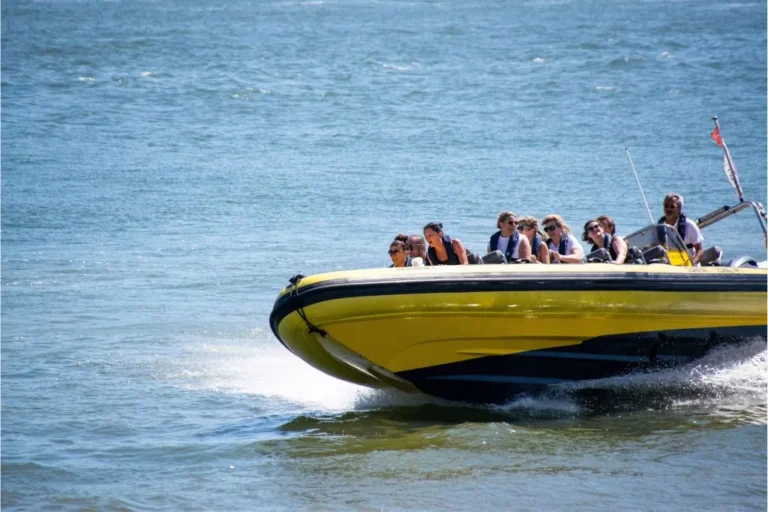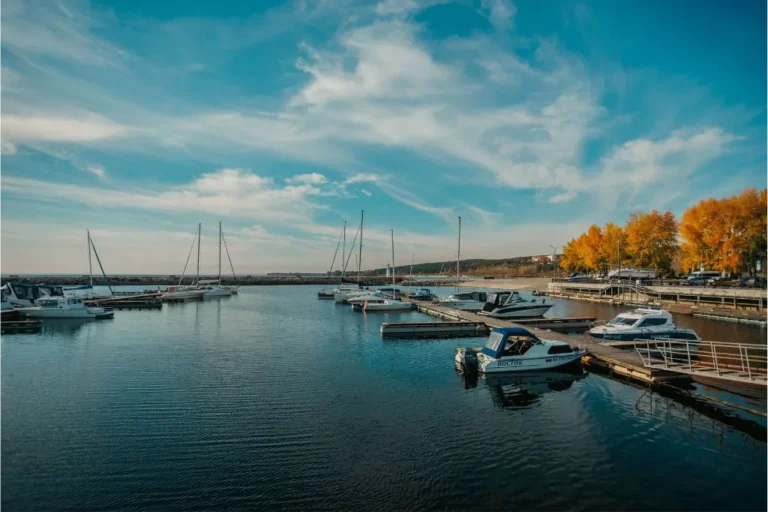

You anchor away from the crowds, prepare a meal under the stars, and fall asleep to the soothing sound of the waves. Peace everywhere – you, your boat, and the scenic nature surrounding you. This is what a boat camping experience is all about.
That said, this sense of independence doesn’t come so easily. An unforgettable boat camping experience requires strategy, the appropriate gear, and a solid understanding of safety on board.
For a memorable boat camping adventure, you’ve to plan strategically, bring the right gear, and have a strong knowledge of safety on the boat.
In this blog, we’ll explore the 10 steps to smartly plan a boat camping adventure. Have a fun time while you’re boat camping and remember that life is better on board.
1. Choose the Right Location
Planning a relaxing camping experience on a boat? It starts with choosing the right marine location.
- Ensure easy access to the necessary facilities, such as picnic tables and restrooms.
- Make sure that the location you choose has the appropriate permits.
Note: Choose lakes or national parks and follow the required fishing and camping rules.
2. Find the Right Sleeping Arrangements
Tents
The foremost thing to consider about boat camping is choosing the right tents for sleeping.
- A wide range of tents is available with varying prices.
- Treat your tent well to make it last for many trips.
Note:
- Use deck tents that can be attached easily to your boat’s deck.
- Use bug repellents if camping on the boat for a sound sleep.
Remember, cheaper tents are often less waterproof and might not protect you from the rain.
Sleeping Pads
- While some sleeping pads can self-inflate, others need to be pumped.
- Determine the outdoor temperatures where you’re camping before choosing.
- Don’t forget to bring pillows along with you.
Note:
- Keep your sleeping gear in a familiar area for quick access.
- This arrangement reduces panic when winds rise.
So, the goal is to make a plan that feels thrilling yet hands-on.
3. Pack Necessary Gear
Make a checklist of all the required gear that needs to be packed for a relaxing and safe camping experience.
- Life jackets and first aid are a must-have.
- Choose lightweight gear for limited space.
- Pack sleeping bags and a tent to camp in damp conditions.
- Bring dry bags to carry certain items such as food and clothing.
- Carry gear meant for leisure activities, such as wakeboards and fishing gear.
- Shine a white light that can be seen from all directions if your boat is longer than 23 feet.
Pay attention to the weather forecast meter to know about the weather conditions.
4. Carry Meals for A Boat Camping Tour
- Carry the raw materials you need to cook delicious meals on board
- Pack dry food items such as canned goods and dried fruits for snacks.
- Indulge in fishing activities to catch fish for cooking.
- Bring ready-made food such as pasta, salads, and wraps for quick preparation.
- Store perishable food items in ice packs or portable coolers.
5. Be Ready For Any Emergency
While on the open waters, emergency aid may not be easily available. Be prepared for any emergency by packing the right things –
- Bring a satellite phone to save people in remote areas.
- Carry a battery pack to ensure your phone or any electronic device stays charged.
- Ensure your fire extinguisher is charged
- Check if your life jackets are in good condition
- Carry a flashlight, a whistle, and a functional VHF along with you.
Note:
- Share your float plan with your friends or family.
- Figure out the nearest harbor that you can approach if the weather changes.
- Prepare a short checklist so that everyone knows their role.
6. Use Smart Lighting
Smart lighting is important when the sun sets.
- Turn on red or amber navigation lights after dark.
- Use a hand-free headlamp to do onboard tasks at night.
- Use a string over the lanterns overhead to light the common areas.
Thus, you can move safely on the boat without bothering others during late-night trips.
7. Do A Maintenance Check Every Morning
- Inspect your boat for maintenance and repairs every morning.
- Check the engine oil to make sure it’s filled.
- Review other important items such as plumbing and electric systems.
In other words, make sure that your boat is running properly.
8. Ensure Comfort On Deck
Make a seating arrangement in a manner that reduces sun exposure.
- Use a small fan or vent if possible.
- Keeping yourself cool and relaxed makes boating more exciting.
9. Safe Disposal Method
- Seal food scraps in airtight bags.
- Use a portable compost bin, if permitted.
- Carry trash bags that can be stored for days without tearing
- Work to minimize foul smell in the cabin.
Proper planning can make waste disposal easier.
10. Load Your Boat Strategically
One thing that’s always in short supply on boats is space. Since you’ll be carrying the relevant gear and supplies on board for a camping getaway, it’s important to know how to load your boat strategically.
Prioritize
- Prioritize things that you need frequently.
- Store them in easily accessible places.
Weight Distribution
- Place heavy items as low and as close to the boat’s center.
- Reduces effects on stability and trim.
Overloading Stern
- Avoid putting so much weight on the stern.
- With weight on the stern, the bow rises high when you power up.
- Makes it harder for the boat to run smoothly.
Always leave the space clean so that you can be ready for the next trip. Camping on a boat can be made easier if you take these steps in preparing your trip. Before planning a boat camping trip, make sure to follow each of the tips mentioned above. Avoid general mistakes and make the best moments on board.
Conclusion
You just have to know how to camp strategically with a boat. You’ll have a great time camping when you know how to do it successfully. So, plan smart and have fun in nature. Eventually, boat camping is all about planning a getaway from your monotonous life, immersing in the calmness, and connecting with the beauty of nature.