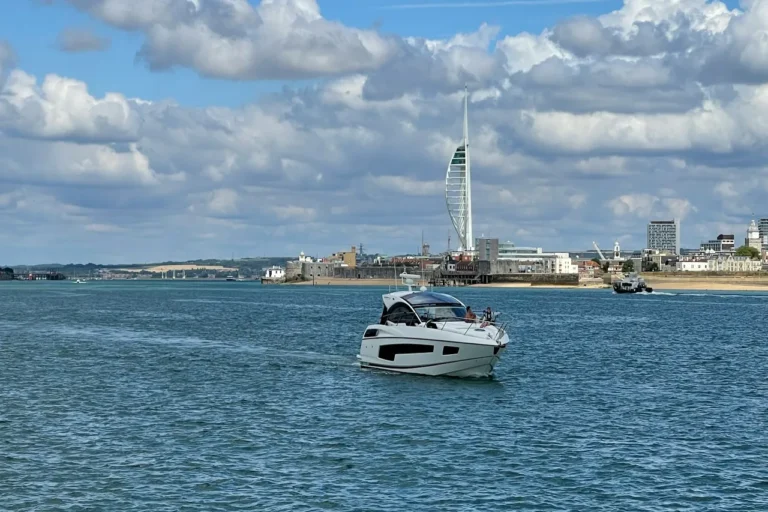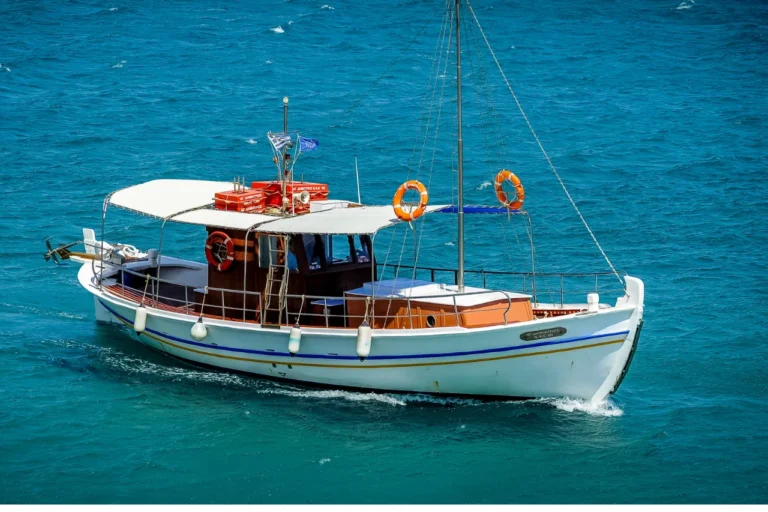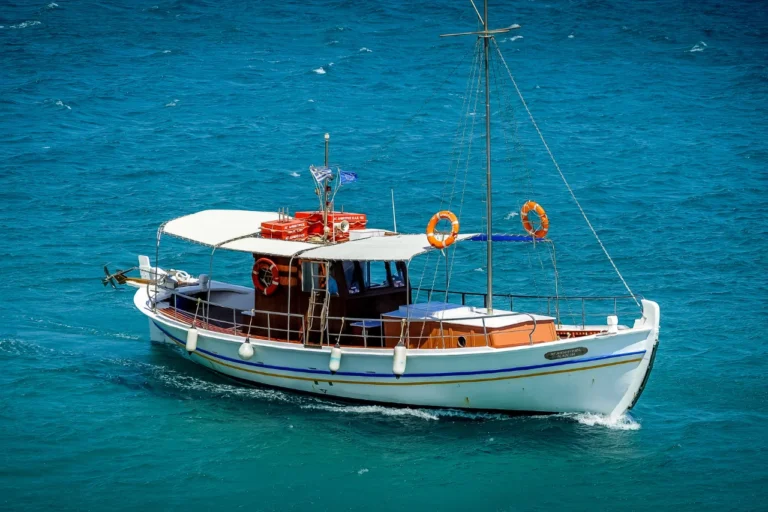

Boating is really fun because you can breathe in fresh air and get quality time to spend with your family and friends. Your mind will be relaxed as the sound of waves reduces stress. Exploring nature and navigating the waves can be exciting, but safety should come first. Here is a guide on the safety essentials to ensure a safe boating experience.
Personal Flotation Devices
A personal flotation device is also called a life jacket or buoyancy aid and keeps you afloat in water. Flotation devices are classified into different types.
- Type I – It is called the offshore life jacket and is ideal for open, remote, and rough waters where it will take a long time for rescue to reach. Type I is designed for unconscious individuals. It will let them float in a face-up position.
- Type II – This is suitable for calm inland waters near the shore, where rescue operations will be quick. It will not turn the unconscious wearer’s face up.
- Type III – This type of life jacket is commonly used by water skiers, surfers, and wakeboarders, and is a great option for calm waters.
- Type IV – Called the throwable flotation device, it is thrown into the water for the person to hold and float. It is a ring-shaped buoy or a floating cushion and is not wearable like the other three types.
- Type V – They are special devices specially designed for water sports like kayaking and windsurfing. Type 5 flotation devices with a line attached are better because you can pull the person out of the water using the line.
Ensure your boat has the right life jackets ideal for your needs. They should be in all sizes, from kids to adults. The flotation devices you carry should be approved by the US Coast Guard. Moreover, they should be easily accessible. Don’t ever keep them locked.
Visual Distress Signals
The most common signal used when you are in distress is waving your hands, but this may not work when you are deep inside the water. Visual distress signal equipment is useful when you are offshore. It is recommended to carry a combination of red flares, distress light, and parachute flares.
- Red flares – They may be aerial or hand-held. Red flares emit red flames. They can be used both day and night.
- Orange smoke flares – As the name suggests, they emit orange smoke. They are used only for daytime signalling.
- Parachute flares – This equipment launches a red flare that floats with the help of a parachute.
- Multi-star flares – They launch multiple stars at regular intervals
- Distress light- It is electrically operated and is used at night alone.
Sound Signal Equipment
Sound signals used on a boat are very important for its safety. They are used to call for help and warn of dangers, especially when the visibility is low because of fog. The sound signal equipment to be carried on a boat includes:
- Whistles that are loud and have different sounds for different situations
- Bells with a good audible range and prescribed tone
- Gongs are needed in addition to whistles and bells if your vessel is more than 100 meters in length.
- Air horns that emit loud blasts of sound to signal other vessels in case of an emergency
- A VA HF radio with a transmitter and receiver helps to share all essential information and promote a safer sailing experience.
Fire Safety Devices
Boats are at risk of three types of fires: Class A fire caused by combustible materials, Class B fire caused by flammable liquids, and Class C fire caused by electric equipment. There are certain legal requirements to meet in selecting the right fire extinguisher for your vessel.
- If your boat is less than 26 feet in length, a 5-B extinguisher covering 5 square feet is required
- For a watercraft of length between 26 and 40 feet, a 20-B extinguisher is required.
- If the vessel is more than 40 feet but less than 60 feet, you will need both 5-B and 20-B extinguishers.
Ensure you place the fire extinguishers in the right place, considering their layout and size. Moreover, smoke detectors and heat alarms should also be installed in all places where they are essential. Fire blankets for small flames should be carried.
Anchor and Line
An anchor prevents the vessel from drifting when there is an engine failure or when there is a storm. Lines are made of strong materials like chain or rope and are used to give the required length for the setting of the anchor. Find out the legal requirements for the length of the lines to be carried. The NSW guidelines suggest that the length should be three times the depth of the water. It is better to have some extra lines for unexpected emergencies.
First Aid Kit
It is crucial for the safety of the crew when the vessel is far from the shore. A first-aid kit helps in taking care of injuries and prevents the condition from getting worse. The main components of the medical kit are
- Bandages, gauze, and antiseptic cream for treating cuts
- Medications for treating burns and giving pain relief
- Cold packs to reduce swelling
- Blankets for shocks
- Tools like tweezers, scissors, and wire cutters
Navigation Lights
They are like traffic signals on water and are essential to avoid collisions. With red, green, and white lights, they are used for communicating with other boats at night and when the visibility is low due to foggy conditions. The type of lights depends on the size of the vessel. Ensure you comply with the standards and rules set by the law. Navigation lights play a significant role in preventing major accidents.
Manual Bailers and Bilge Pumps
Bilge pumps remove the excessive water collected at the lower part of the boat. They can be manual or electric. A manual bailer is used to bail water out of the boat. If your boat doesn’t have a dedicated hand bailer, it should at least have a bucket with a rope tied to the top.
Compass and GPS
A marine compass is essential to know in which direction the boat is moving, and a GPS is needed to know its exact location. GPS helps you to identify hazards like rocks and shallow areas and avoid them.
Having the safety gear is an important requisite for protecting lives and preventing the vessel from getting damaged. Before starting to sail, check the equipment and make sure it is functional. With SlipStreamBoating by your side, have a safe journey every time you head out into the waters.