With about 2,500 miles of stunning shoreline counting its islands — 1,332 miles of mainland coast — and more than 40 marine state parks, Puget Sound is one of the top boating destinations in the Pacific Northwest. Featuring waterfront towns with scenic views and rich maritime history, it is a great place for relaxing boating trips, island-hopping adventures, and open-water cruising. With its natural beauty, Puget Sound offers plenty to explore and discover. Here is a guide to the best destinations and tips for choosing a boat, planning routes, and staying safe.
What Makes Puget Sound Good for Boating
Its sheltered waters, breathtaking islands, and striking environment make Puget Sound good for boating. Its vast waterways with scenic backdrops connect diverse destinations, which allows you to explore a lot in just a single day’s cruise.
Explore Different Areas of Puget Sound
The protected shoreline of Puget Sound offers diverse and distinct cruising areas. Boaters can plan around waterways from marine parks like Blake Island to metropolitan waterfronts like Seattle, depending on distance and weather.
What Can You Do on Puget Sound
You can enjoy a wide range of activities, including kayaking, paddleboarding, cruising, whale watching, fishing, swimming, crabbing, and island hopping. It is also ideal for spending a relaxing day on the water and exploring coves. If whale watching is on your list, read the wildlife rules below first — Washington’s vessel distance requirements around Southern Resident killer whales are among the strictest in the country and they apply to every vessel, including kayaks and paddleboards.
Best Puget Sound Boating Destinations
From maritime ports to city waterfronts and picturesque state parks, Puget Sound has a destination to offer for all types of boating trips.
Seattle and Lake Union
Seattle features both vibrant city waterways and calm islands. Lake Union sits in the heart of Seattle and connects to Puget Sound through the Lake Washington Ship Canal and the Hiram M. Chittenden Locks, commonly known as the Ballard Locks and operated by the US Army Corps of Engineers. It is popular for cruising, city views, and waterfront dining.
Bainbridge Island and Port Madison
Bainbridge Island is just a hop away from Seattle. Port Madison, on the island’s north end, is a genuinely sheltered and quiet anchorage with deep-water moorage. Be aware of two things, though: Eagle Harbor at Winslow is the terminus of the busiest Washington State Ferries route by passenger volume and also the system’s main shipyard, so ferry traffic there is heavy; and Agate Pass immediately to the west runs up to 6 knots in only about 20 feet of water, with rocky, kelp-fringed shores.
Blake Island
Blake Island is located across from downtown Seattle. It is a 472-acre marine state park with about five miles of saltwater beach, accessible only by boat — there is no road or scheduled ferry, though commercial excursion boats serve Tillicum Village. Powerboats and sailboats can stop here and enjoy the views of the Olympic Mountains.
Poulsbo
Known as “Little Norway” for its Scandinavian heritage, Poulsbo is a favourite stop. It sits at the north end of Liberty Bay, a sheltered arm of Puget Sound with three marinas and a good anchorage, so many visitors arrive by boat. Boaters can enjoy waterfront walks, local shops, and restaurants.
Gig Harbor
One of the top boating hubs in Puget Sound, known for its walkable waterfront and picturesque narrow entrance just off the Tacoma Narrows. Tie up at the waterfront and enjoy fresh seafood.
Tacoma and Olympia
On the south side of Puget Sound, Tacoma provides access to Commencement Bay. Note that this is a working deep-water commercial port — recreational moorage and the visitor-facing waterfront are concentrated in the Thea Foss Waterway, and you should expect commercial traffic. Olympia is calmer and quieter, at the head of Budd Inlet, which averages about 27 feet with shoaling at its head; use the dredged channel serving the Port of Olympia.
Choose the Right Boat for Puget Sound
Choosing the right boat is key to a great boating experience. It depends on factors like your destination, water conditions, weather, and the trip’s length and duration.
Powerboats
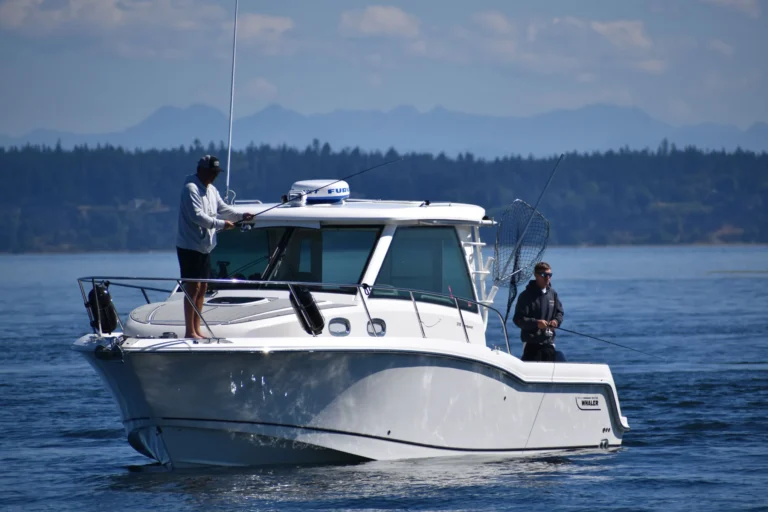
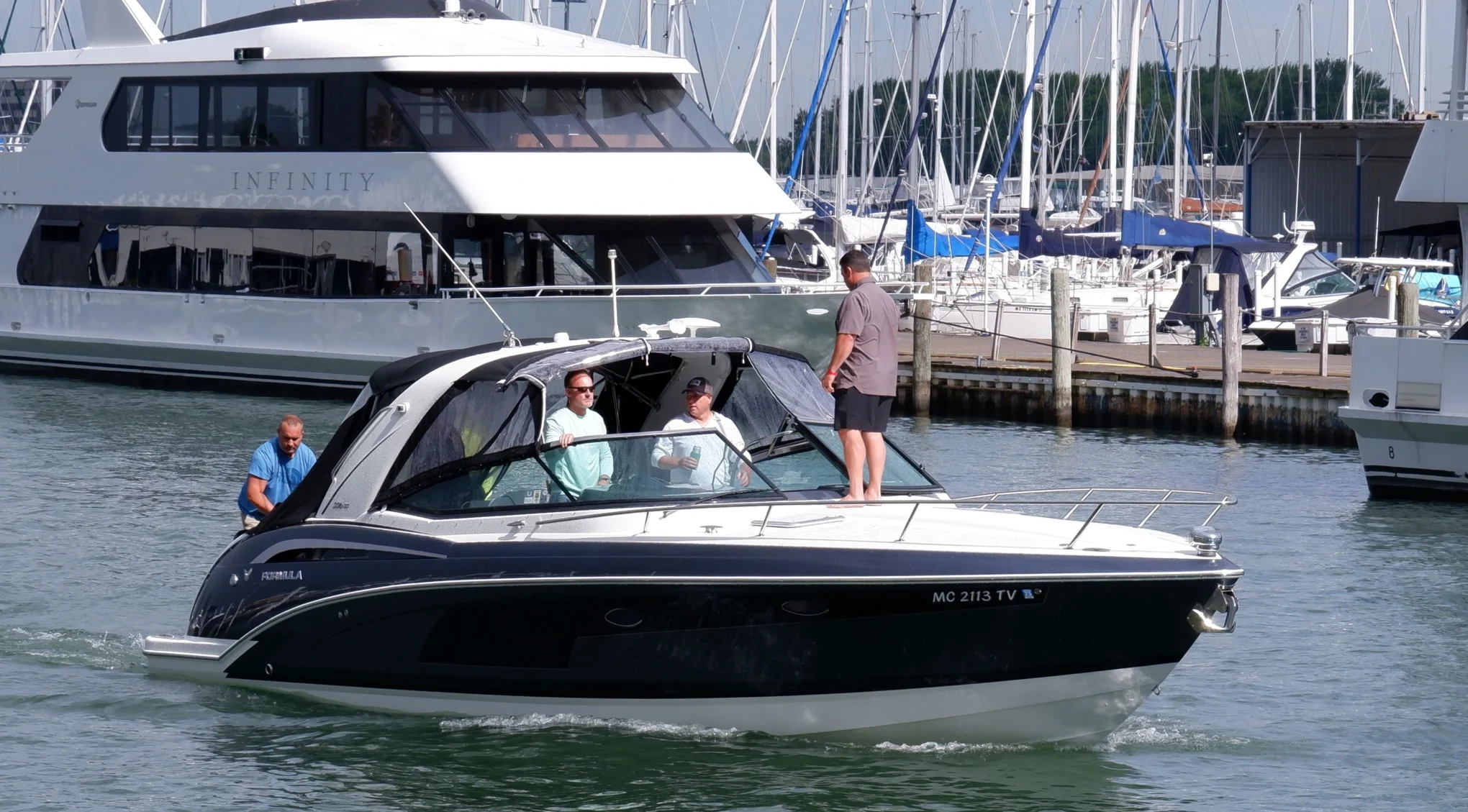
They are ideal for long distances, visiting multiple islands, overnight cruising trips, fishing, and rougher water. Choose powerboats for family trips because they provide sheltered protection in enclosed cabins and sleeping berths.
Sailboats
Sailboats are well suited to Puget Sound for cruising its scenic waterways. Route planning helps ensure a safe trip, and prior experience with tides and currents is valuable.
Small Boats and Personal Watercraft
The open waters in Puget Sound are prone to sudden changes in wind, tides, and current, so small boats and personal watercraft work best for shorter trips in sheltered areas. Note that Washington requires PWC operators to be at least 14, prohibits renting a PWC to anyone under 16, and requires PWC riders to wear a life jacket at all times.
Plan Your Puget Sound Boating Route
You should plan carefully to navigate Puget Sound because of its fast-changing tidal currents. The shipping lanes are also busy. Plan your stops and check tidal conditions before leaving.
Check Charts and Water Depths
Nautical charts help identify hazards, shallow areas, and restricted areas. Check them, and confirm navigational aids along your route.
Understand Tides and Currents
Strong tidal currents make the engine work harder and cut your speed over ground when you run against them. Wind against a strong tide builds a short, steep sea that can be genuinely dangerous.
Three passages deserve particular respect. Deception Pass runs around 8 knots on both ebb and flood, with standing waves, whirlpools and rocks — most boats wait for slack water. Tacoma Narrows reaches about 6 knots as all of South Sound’s water funnels through, with eddies and boils around the bridge piers. Agate Pass runs up to 6 knots in shallow water. Check NOAA tidal current predictions before transiting any of them.
Plan Fuel and Rest Stops
This step is crucial to avoid running low on the water and to keep the crew comfortable. Identify fuel docks on the route and always have a backup option.
Puget Sound Weather and Boating Conditions
Puget Sound’s position between the ocean and the mountains causes rapid shifts in its weather. Be prepared to adjust your plans based on conditions.
Check the Marine Forecast
Check marine forecasts before leaving, and keep monitoring them throughout your trip with a VHF radio and apps. Pay attention to visibility, which can drop sharply in low cloud and fog.
Watch for Changing Water Conditions
Water conditions in Puget Sound change frequently, driven by weather and tides. Watch for warning signs like strengthening currents, shifting winds, and falling visibility. When you see them, reduce speed and keep clear of other boats.
Know When to Change Route
If visibility drops or the boat is struggling against the tidal stream, shorten your trip, change route, or head for a sheltered harbour. Don’t hesitate to stop when conditions worsen.
Puget Sound Boating Safety Tips
Boaters should be ready to handle heavy traffic, be aware of shipping lanes, and be prepared for cold water and changing conditions.
Carry Required Safety Equipment
Washington requires every person on board to have a properly fitting life jacket, plus navigation lights, a sound-producing device, a fire extinguisher where the boat’s construction requires one, and visual distress signals — which are specifically required on the Strait of Juan de Fuca, Puget Sound and San Juan Islands waters. Boats 16 feet and over also need a throwable flotation device. Gasoline-powered boats need a backfire flame arrestor and ventilation.
Two Washington-specific rules worth knowing: children 12 and under must wear a life jacket on vessels under 19 feet while underway, and navigation lights are required in restricted visibility as well as between sunset and sunrise.
A VHF radio and an emergency beacon are strongly recommended, though not legally required on recreational vessels.
Keep an Eye on Vessel Traffic
Commercial shipping traffic is heavy in Puget Sound, so watch for fast ferries, follow the navigation rules, and know where the shipping lanes and crossing protocols are.
Share Your Float Plan
A trusted shore contact should know your float plan, including route, expected time of arrival, and stops. This is essential for emergency help if you don’t return as planned.
Explore Puget Sound With Local Boat Clubs
Boat clubs are a good choice for boaters who want to explore Puget Sound without the hassles of ownership and maintenance. Here are the options in Seattle and nearby areas.
Seattle and Lake Union Boat Clubs
Boat clubs in Seattle and Lake Union provide boating and boat-sharing options for exploring the local waterways. Browse the list and choose based on your preferred location and boating style.
- Puget Sound Yacht Club: A Seattle-area resource for boaters exploring Puget Sound boat clubs.
- Lake Union Skylaunch by Seattle Boat Co.: A Lake Union boating resource for boaters interested in exploring Seattle’s urban waterways.
- Freedom Boat Club Lake Union: Consider this if you are looking for shared boat access.
- Freedom Boat Club Seattle: Worth comparing if you have shortlisted a few options.
- Freedom Boat Club Seattle Nautical Landing: Another Seattle access option to explore.
- Freedom Boat Club Leschi: Lake Washington side access options.
- Seattle Boat Share: Access local waters without boat ownership.
Kirkland Boat Clubs
Kirkland is a scenic waterfront city providing access to the eastern side of Lake Washington in King County. Explore the boat club options to find the right fit.
Freedom Boat Club Kirkland: Discover the various access locations here.
Everett and Edmonds Boat Clubs
Everett and Edmonds provide access to the northern side of Puget Sound. Explore and compare the local listings.
- Freedom Boat Club Everett: Consider this for north-Sound access.
- Freedom Boat Club Edmonds: Explore this for access options.
- Freedom Boat Club Port of Edmonds: Another north-Sound option around the Edmonds area.
Kitsap Peninsula Boat Clubs
Kitsap County offers access to picturesque bays, island destinations, and calm waterfront communities like Poulsbo and Port Orchard on the west side of Puget Sound.
- Freedom Boat Club Poulsbo: Provides Kitsap access.
- Freedom Boat Club Port Orchard: Another option for Kitsap access.
Olympia and Tacoma Boat Clubs
Olympia and Tacoma provide access to the south side of Puget Sound. Discover the local waterfronts and boat club listings.
- Freedom Boat Club Olympia: For boating access near Olympia.
- The Olympia Yacht Club: A local boating resource worth checking.
- Freedom Boat Club Tacoma: For access to the southern side of Puget Sound.
- Tacoma Yacht Club: Another local boating resource.
Puget Sound Boating Regulations and Navigation Rules
Washington’s boating education, navigation, environmental, and safety equipment rules all apply on Puget Sound. Become familiar with them before leaving.
Washington Boating Requirements
Anyone aged 12 or older who was born after 1 January 1955 must carry a Washington Boater Education Card to operate a vessel powered by an engine of 15 HP or more. It is issued by the Washington State Parks and Recreation Commission Boating Program, costs $10, and is valid for life. Exemptions include anyone born before 1 January 1955, holders of a valid US Coast Guard licence, and rental boats where the vendor completes a safety checklist and issues a temporary card. Anyone under 12 may not operate a vessel of 15 HP or more at all.
Your boat also needs to be registered with the Washington Department of Licensing unless exempt, with the decals and numbers displayed. Out-of-state boats are exempt for 60 days.
Southern Resident Killer Whale Distance Rules
This is the rule most visiting boaters do not know about. Since 1 January 2025, Washington law requires all vessels to stay 1,000 yards away from Southern Resident killer whales. It applies to every vessel operator, motorised and non-motorised, including kayakers and paddleboarders, and commercial whale-watching vessels are not exempt.
Within 1,000 yards, keep your speed to 7 knots or less and move out of the whales’ path. If a Southern Resident comes within 400 yards, disengage the transmission if it is safe to do so; sailors should luff their sails and paddlers should stop, group up and wait.
Separate distances apply to other whales: 200 yards from all other killer whales, including transients, and 100 yards from any other whale.
No Discharge Zone
Puget Sound is a designated No Discharge Zone, in effect since May 2018. It covers all Washington marine waters east of the New Dungeness Lighthouse, plus Lake Washington and Lake Union and the waters connecting them — roughly 2,300 square miles.
Inside the zone, discharging vessel sewage is prohibited, treated or untreated. Graywater is not affected. If you have a Type I or II marine sanitation device it must be secured so it cannot discharge, and a Type III holding tank must be pumped out ashore. Pumpout facilities are listed at pumpoutwashington.org.
Aquatic Invasive Species
Washington-registered boats pay a small annual AIS fee as part of registration. Boats registered outside Washington need an AIS prevention permit, valid for one year. Clean, drain and dry your boat between water bodies.
Boating Under the Influence
It is unlawful to operate a vessel under the influence in Washington. The threshold is 0.08% BAC, or impairment by alcohol or any drug. It is a misdemeanour carrying up to 90 days in jail and fines up to $1,000, plus possible impoundment.
Engine Cut-Off Switch
Federal law requires operators of motorised boats under 26 feet producing 3 HP or more to use the engine cut-off switch link while operating on plane or above displacement speed.
Navigation and Right-of-Way Rules
Follow the traffic separation scheme, crossing regulations, speed limits, and other navigation rules. While crossing busy waters, observe marked channels and give commercial vessels and ferries plenty of space.
Check Current Local Restrictions
Local restrictions for no-wake zones, speed, and marine areas vary by location, so check before entering shorelines and harbours. A Discover Pass is required to park at state park boat launches and water-access sites.
How to Prepare for a Puget Sound Boating Trip
A little planning will make your boating trip more enjoyable. Plan your route and fuel stops, check the weather, and pack everything you need.
Check Weather and Tides
Check the marine forecast for wind speeds, tides, thunderstorms, and dangerous seas before leaving, and keep monitoring for sudden changes during the trip.
Plan Your Route and Stops
Plan your route, destinations, fuel stops, expected duration, and channel crossings. Leave your itinerary with a trusted contact ashore.
Pack for Changing Conditions
Conditions are unpredictable in Puget Sound. Be prepared with reliable communication devices and essential safety gear. Pack waterproofs, warm layers, hats, sunglasses, food, and water.
Puget Sound Boating Tips for a Better Trip
Make realistic plans but stay flexible. Don’t hesitate to change your plan or route, because safety matters more than sticking to a schedule.
Start With a Manageable Route
If you are a beginner or new to Puget Sound, start with an easy-to-navigate, sheltered route. Build experience before taking on longer passages.
Leave Extra Time for Weather Changes
Unexpected weather and reduced visibility can slow you down or force a stop, so build slack into your itinerary.
Keep Your Navigation Tools Ready
Keep your navigation tools — compass, charts, GPS, radar, and portable devices — readily accessible, with working backups.
Respect Wildlife and the Marine Environment
Keep the legal distances from whales set out above, avoid disturbing other marine life, carry your rubbish home, prevent fuel spills, and use pumpout facilities rather than discharging in the No Discharge Zone.
Final Thoughts
With waterfront towns and serene coves to explore, Puget Sound is one of the best boating destinations in the country. Choose the right boat for your experience, group size, and plans. Prepare in advance, stay flexible, and know the rules — particularly the whale distance requirements and the No Discharge Zone — before you leave the dock. Explore local Seattle boat clubs to get the right boat for the trip.
FAQs
Is Puget Sound Good for Boating?
Yes. Its sheltered waters, islands, and scenery make it one of the best cruising grounds in the Pacific Northwest, with many destinations within a day’s run.
What Are the Best Places to Go Boating in Puget Sound?
Popular destinations include Gig Harbor, Tacoma, Olympia, Blake Island, Bainbridge Island, and Poulsbo — some for scenery, some for wildlife, some for quiet anchorages, and some for waterfront dining.
What Type of Boat Is Best for Puget Sound?
It depends on distance, experience, and location. Powerboats suit longer runs, while sailboats are well matched to cruising the Sound’s scenic waterways.
Do You Need a Boating License in Puget Sound?
Washington does not issue a boating licence as such, but anyone 12 or older born after 1 January 1955 must carry a Washington Boater Education Card to operate a vessel of 15 HP or more. It costs $10 and is valid for life.
How Close Can You Get to Whales in Puget Sound?
All vessels must stay 1,000 yards from Southern Resident killer whales, 200 yards from other killer whales, and 100 yards from any other whale. The rule covers kayaks and paddleboards as well as motorboats.
Are Tides and Currents Important When Boating in Puget Sound?
Yes. They affect navigation, speed, timing, and manoeuvrability, and passages such as Deception Pass, Tacoma Narrows and Agate Pass run hard enough to require planning around slack water. Check marine forecasts and tidal current predictions before heading out.
Can Beginners Go Boating in Puget Sound?
Yes. Start with an easy-to-navigate, sheltered, and manageable route, and build up from there.