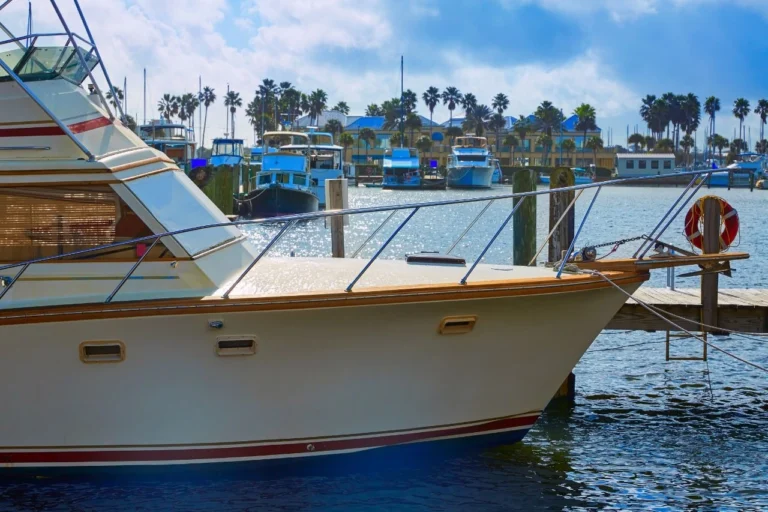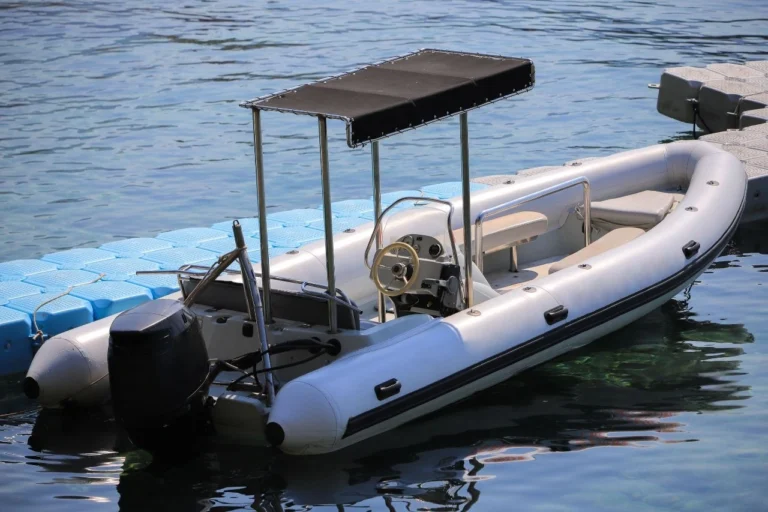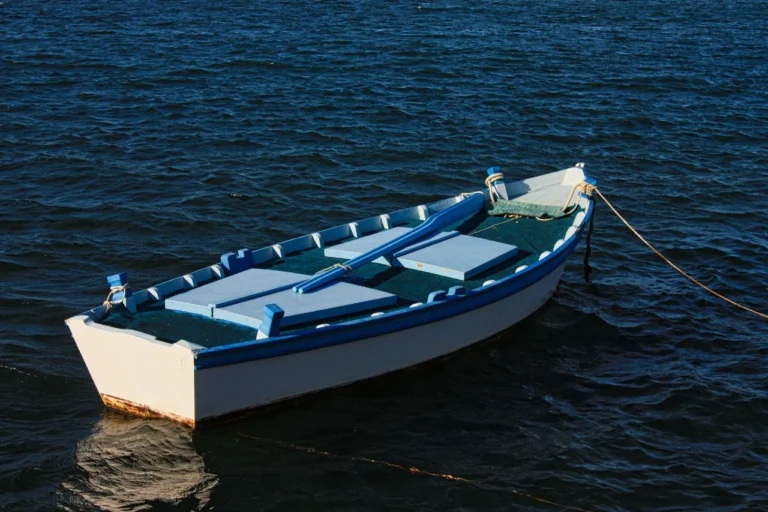

Living on a boat is a dream shared by sailors around the world. Imagine spending relaxing days in your swimsuit and watching sunsets under trees while sipping a drink. It’s a pleasant dream and worth fulfilling. Calling your boat your second home away from home offers you a sense of freedom and an intense connection with nature. But do you know what it really takes to do so?
With this inclusive guide, you’ll gain some insights into how to live on board. Find out different types of boats to live on, understand the prices associated, and tips for a relaxing life on the boat. With impactful insights and expert advice, learn how to cope with the challenges.
Let’s get started.
A Break from a Monotonous Lifestyle
Are you looking for a break from your daily life?
- Living on board trades your large home for a floating sanctuary on calm waters.
- Best opportunity to connect with nature.
However, living on a boat demands proper planning and an ability to manage challenges such as restricted space, maintenance onboard, and unfavorable weather.
- Are you planning a short-term adventure onboard or a permanent shift?
- Are you ready to adjust to limited space and repetitive maintenance?
- Can you adjust to a climate that’s not always favorable?
- Can you manage all the groceries and waste while living on the boat?
Consider these things to make sure that the liveaboard perfectly matches your goals.
Now that you’re sure about living on the boat, let’s find out how to choose the right boat based on your needs and budget.
Choose the Right Vessel
Choosing a boat that suits your budget and lifestyle is your first step towards a liveaboard. Boats differ in size, features, and types, and offer different advantages and disadvantages.
| Boat Types | Meant for | Advantages | Disadvantages | Typical Purchase Cost |
| Sailboats | Adventurers, romantics | Fuel-efficient, meant for long-distance cruising, | Require sailing experience, compact interiors, not ideal for those looking for luxury. | $20,000 – more than $500,000 |
| Houseboats | Stationary living in tranquil waters | Good living space, kitchen, and modern facilities | Restricted mobility, not meant for open-sea trips | $30,000– $300,000 |
| Trawlers | Long-distance cruising | Expansive interiors, feel like home, fuel-efficient | Regular maintenance | $50,000–over $1,000,000 |
| Catamarans | Families or couples | Twin-hull design, enough deck space, separate living space | Require more docking space, higher slip fees. | $100,000– over $2,000,000 |
| Motor Yachts | Cruising in style, entertainment, instantly covering long distances | Luxury, speed, and spacious rooms | High fuel costs, high maintenance costs. | $100,000–millions. |
This comparison table can help you explore the right liveaboard boat type that suits your lifestyle, budget, and goals.
- Alone? You can easily adjust to a 30-foot-long sailboat.
- A family of four? You may need a catamaran or a trawler.
- Seeking entertainment or a long trip? Opt for larger vessels of 60 feet and more.
Thus, it’s important to carefully examine different sizes of boats before making your decision.
Now that you know which is the perfect boat to live on water, let’s check the key features that you must prioritize to make your stay comfortable.
Things to Look for in a Boat to Make Living Comfortable
- Kitchen – Equipped with a sink, refrigerator, and stove.
- Storage – Space for clothing, equipment, and supplies.
- Bathroom – Amenities with a shower and toilet.
- Sleeping space – Comfortable sleeping space for everyone.
- Other facilities – Adequate water tanks, solar panels, and generators for a long-term stay
No matter how much you fancy living on a boat, you can’t discount that it’s costlier than living on land. Costs vary depending on the size of your boat, type, and location.
Key Expenses of Living on a Boat
On average, you can expect to spend 10-20% of your boat’s value annually on regular maintenance and running. Let’s demystify the total expenses for a liveaboard sailboat.
| Expenses | Purpose | Annual Cost (approx.) |
| Slip Fees | Cost of docking your boat at the marina | $4,800–$9,600 |
| Regular maintenance and repair | The cost to keep your boat in top-notch condition. Includes hull cleaning, winterization, painting, and replacing damaged parts | $5,000–$15,000 |
| Fuel Costs | Depends on how long and how frequently you sail | $5,000–$15,000 |
| Insurance Coverage | Covers accidents, thefts, or damages caused by natural calamities and weather. | $1,000–$3,000 |
| Supplies and Utilities | Daily amenities, supplies such as food, beverages, and cleaning items | $3,000–$6,000 |
So, you need to plan to make the most of your liveaboard experience. Make sure that you strategize carefully for these must-haves to ensure your boat remains in good condition, and you can navigate safely without any last-minute surprises.
Now that you know everything you need to live on a boat, let’s consider some steps that you must know to manage daily operations onboard –
Managing Daily Operations Onboard
Important Utilities and Connectivity
Fresh water
You need an adequate water source for cooking, cleaning, and drinking.
- Rely on marina hookups to have direct access to the water supply.
- Conveniently refill your tanks while your boat is docked in the marina.
- Away from the marina? Use onboard tanks to store water for a longer time.
- Living off grid? Use desalination units to convert seawater into water.
Power
You need a reliable power supply to run appliances and other onboard equipment.
- Use shore power when your boat is docked
- Use solar panels when living off-grid.
- Use LED lighting during extended adventures.
Connectivity
Use a reliable Wi-Fi or robust internet for entertainment and work.
Ensure Enough Space and Storage
Living on a boat offers space constraints compared to a typical home. To enhance comfort
Free Up Space
- As there is limited space on the boat, it’s best to keep only the vital things on board.
- Decluttering not only makes your life on board easier but also keeps you safe.
Multi-Functional Furniture
- Use furniture that serves multiple purposes while living on the boat.
- Use foldable tables and storage units to make the most of the space.
Tailored Solutions
- Use each and every corner wisely.
- Use vertical space for hanging and underneath cabinets for supplies and other items.
Tailored storage solutions keep your boat well-organized and comfortable.
Regular Maintenance
Boats need more regular maintenance than homes due to more exposure to water and unpredictable weather conditions.
- Regularly clean your boat to prevent mold and corrosion.
- Inspect engine and hull quality.
- Winterize in extreme cold.
Get a hang of the basic skills, such as plumbing and repairs, to save expenses on contractor fees.
Equip Your Boat
When it comes to liveaboard, safety is your utmost priority –
| Equipment | Essential |
| Emergency Gear | Life jackets, First-aid kit |
| Propane sniffer | Gas leaks in the galley |
| Fire Extinguisher | Regular Inspection, place it in everyone’s reach |
| Smoke Alarms | Gas leaks or fire |
Properly Manage Your Waste
Sewage
Properly dispose of sewage to keep water clean and follow compliance.
- Pump Out stations – Safely empty your vessel’s tanks
- Composite toilet – Best for those spending time off-grid
Trash
- Strategize regular trips to the marina dumpsters to prevent any foul smells or clutter onboard.
- Use different bins for recyclable trash and the general one.
Greywater
- Use biodegradable soaps and detergents.
- Properly manage grey water to keep your area hygienic.
Last but not least, if you are planning to live aboard, choose locations that offer mild weather, easier access to services, and reasonable docking.
Conclusion
The bottom line is that you can’t afford to take everything with you when you plan to live on a boat. You need to make a tough choice between what you need and what you desire. So, if you think that you are a minimalist, it will be a convenient transition for you. The final decision is yours. The lifestyle onboard you choose will align with your boating lifestyle and financial means. For those who prioritize freedom over luxury and adventure over abundance, living on a boat is worthwhile.