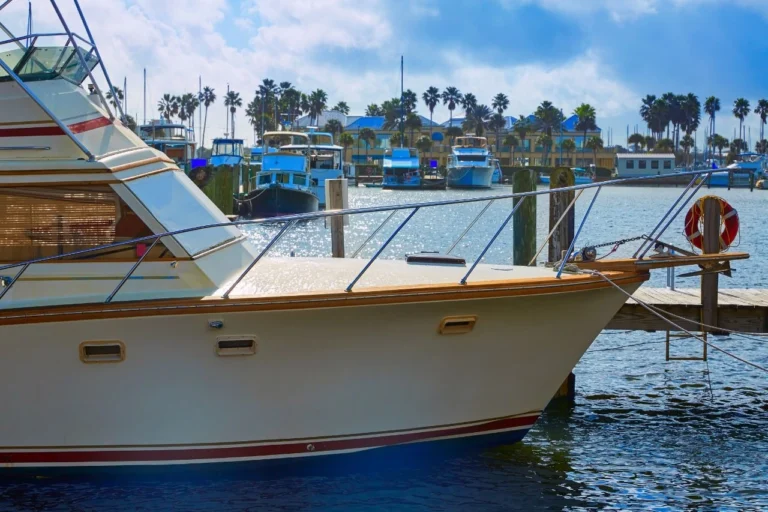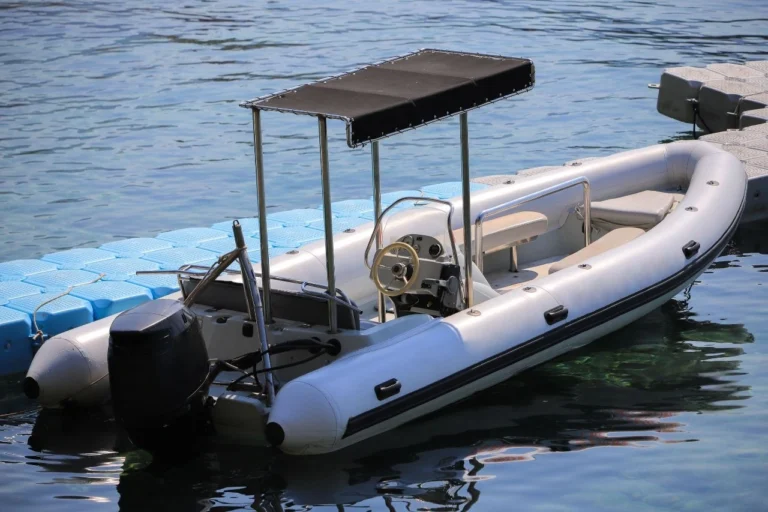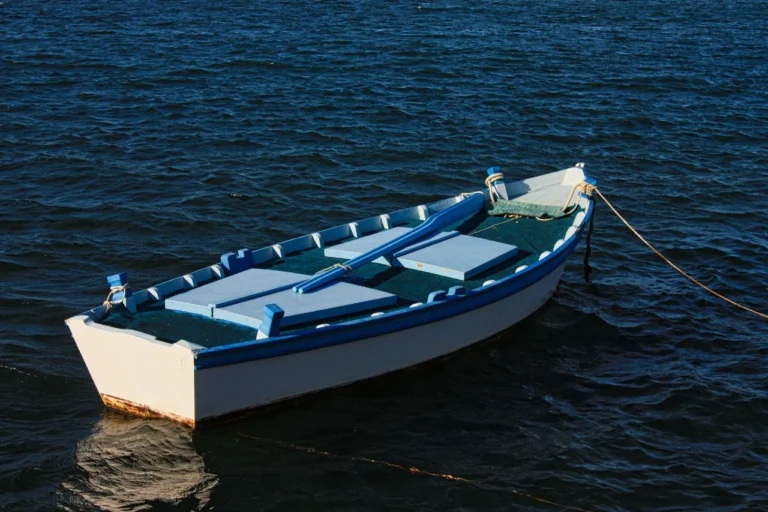

The sun is shining, the waves are calling, and you want to make a pit stop. Now comes that nerve-wrecking moment – backing your boat into the slip. Seems like that perfect slip is not meant for your boat. You are eyeing the slip that looks too narrow while other boaters judge your every move. Considering next to impossible, you end up making one wrong move. What follows next is first-hand embarrassment and boat damage. Worse? Losing your balance completely.
Let’s get the reality check: Mastering how to reverse your boat into the slip is not rocket science. You just need to know about the dimensions of your boat and follow the step-by-step instructions that will turn the random attempts into smooth arrivals every time.
With the right knowledge and a little practice, you can pull it off with ease. Go slow, keep your calm, and firmly handle the throttle. In this article, you will learn some tricks and techniques to have you reversing like a pro in no time. Backing into a slip can be easier than parking a car.
Before You Back In, Know Your Boat
First things first! Know your boat thoroughly before you try to even drive, let alone back it into a slip. Knowing the dimensions of your boat sounds boring, but it is the key to reversing it properly. You will get a better idea of how much space you have to move and how to handle the throttle to fit your boat perfectly into that opening. Once you are familiar with your boat, you can confidently slip into the dock. Fitting your boat into that entrance needs facts, not guesswork!
Pre-Docking Checklist is Your Savior
While reversing your boat into a slip, unpleasant surprises are the last thing you wish for. Picture this: After a long day on board, you decide to dock. Suddenly, you realize that the lines that you need to tie your boat are tangled. In a state of paranoia and, in an attempt to quickly untangle it, you end up knocking your boat against the dock. What went wrong?? The untangled lines? Was it the slip, or were you just not prepared? Yes, prep work is necessary for a smooth backing experience. Make sure that everything is hands-on before you plan for that pit spot. Let’s dive into the checklist that you must have when docking your boat:
Adjusted Fenders
Make sure that the fenders are adjusted to the dock, not your boat. Too high and they won’t save, and too low will make your boat bump against the dock.
Keep Lines Ready to Use
Have lines coiled properly and within your reach. You should know which side you need to dock on.
Check for Loose Items
Any loose items, such as coolers or fishing gear, can make you feel unbalanced. Make sure everything is in place and won’t slide.
Analyze the Docking Area
Check the wind direction and current before you approach to dock. Also, look for other boaters for a smooth experience.
Your pre-docking checklist in hand is not wasted time; it’s something that saves you from expensive embarrassment and mishaps.
Take Your Time Before You Dock
Consider fitting into a tight slip like you are going to a party. You want to know upfront who’s who and what is happening before you enter. The same goes for reversing your boat.
- Stop your boat 100 feet away from the slip and shift to neutral for 30 seconds. This is the best way to figure out where your boat is moving. Is it drifting towards the port? Is it moving sideways? It’s good to know beforehand.
- Check for the minute things such as flags on other boats, smoke from exhausts, and how other skippers are docking.
- Also, look for the wind patterns that marina buildings create to avoid unpredictable bounce.
In short, docking your boat is not rocket science; it’s all about common sense and presence of mind. Now that you know everything you need to park your boat in that slip, let’s go through the step-by-step docking process that will help you fit in quickly.
Step-By-Step Process To Reverse Your Boat
1. Pull Past the Target Slip
Now that you are about to back your boat into the snug, don’t try to squeeze in.
- Use your mind and take your boat past the slip.
- The stern will align perfectly with the corner.
- Keep a safe distance, at least a boat length away, so that you can have enough space to manoeuvre.
2. Shift into Reverse
Once you make a quick calculation in your mind, it’s time to reverse.
Quick tip: Turn the wheel more significantly than you think is required. Why? Because of less water flow over the rudder as compared to when you move the boat forward. Consequently, the steering won’t respond much.
3. Keep Your Boat Under Control
Instead of just holding the throttle, use short power bursts to let your boat catch up. After every burst, shift your boat to neutral. This will help you stay in control of your boat and give you time to act safely.
4. Make Careful Pivots
Now that you are backing your boat. The boat isn’t entering the slip correctly. What can you do? More throttle? It’ll make things worse!
- Move your boat forward, rethink, and follow the same approach.
- Make these careful pivots to navigate your boat smoothly into the slip.
5. Shift to Neutral
Once you approach the slip, gently stop the reverse movement. Shift to neutral, followed by a short forward burst. This will help kill the reverse momentum without tracking out of the slip.
6. Anchor Your Boat Immediately
As soon as the boat reaches the slip, use the spring line to anchor it. It will hold the boat steady and prevent it from drifting away while you tie the remaining ones. Securing the spring line in the first place will let you breathe a sigh of relief!
7. Be Prepared for the Inevitable
Don’t shut down the engine until all lines are tied. It should be ready to prevent going off course when wakes or wind pushes you. Be prepared beforehand to avoid a stressful situation.
From dodging to mastering the skill, backing a boat is the prep work, meeting technicalities. Know your boat, go through the checklist, and figure out the wind and current before you approach the slip. Just remember that the seemingly impossible tight, snug is just another parking spot once you get the hang of it!
Since you are confident enough to park your boat perfectly in the entrance, it’s time to use your navigation skills. Want to get on the water hassle-free? Slip Stream makes it easier for you, the first site of its kind in the boating world. Whether you want to rent a boat, join a club, find a marina, or connect with a dealer, it’s all here in one spot. It’s free to use, you deal directly with the business, and you’ll even find special offers you won’t get anywhere else. It’s time to share your seafaring joys with your land-loving friends. Set sail!
Conclusion
At the end of the day, boating is about enjoying, rejuvenating, and spending quality time with friends and family. And, nothing beats smoothly reversing your boat into the slip, dropping the anchor, and the sense of accomplishment knowing that you did it. Good vibes and high tides!