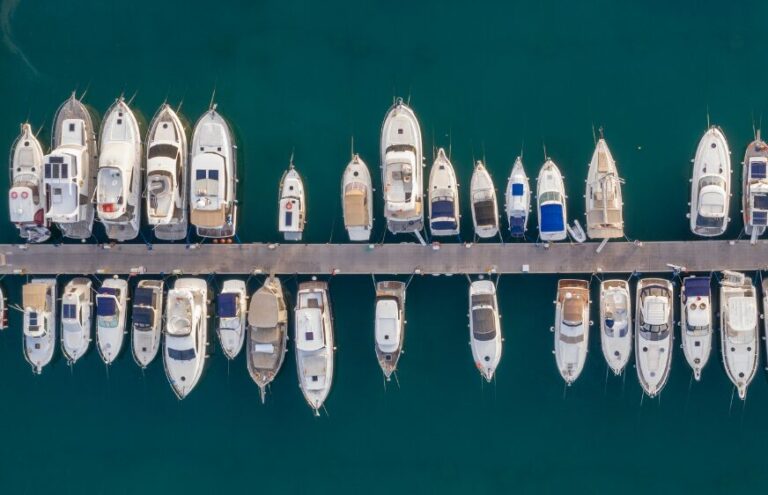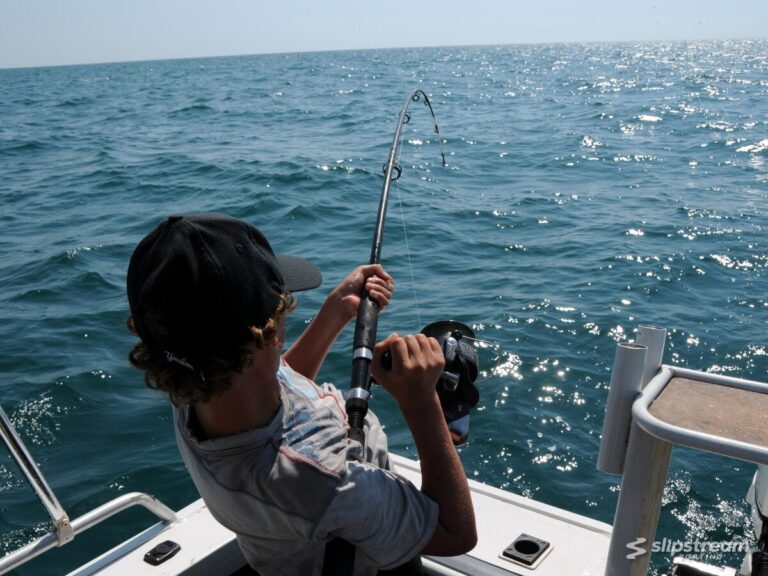

Living on a boat doesn’t mean that you keep on sailing in the sea forever. It means you are using the boat as your primary home, with the freedom of anchoring out whenever you want to. When you live with your family, you carry on with all the day-to-day work like going to school, work, grocery shopping, and others. The only difference is when you step out of your door, you’ll be greeted with water and not the road. This lifestyle is a blessing for families who love adventures, nature, and minimalistic living.
Does this sound interesting? It may be a wonderful option for your family. Do you want to know the cost of living on a boat? It may vary depending on the size, the comforts you prefer, and the marina docking fees. However, here’s a guide on the possible costs you can expect for a family of four.
Is Living On A Boat Affordable For A Family Of Four?
Living on a boat can be a little cheaper than living in an apartment in expensive cities, as you can save on rent, and you lead a simple life on a boat. But you have some fixed expenses, such as mooring fees, insurance, maintenance, and depreciation.
Affordability depends on many factors, especially your choices. The costs can be affordable if you live on a modest boat moored in a marina with reasonable mooring charges, while larger boats with lots of amenities moored in a premium marina can make it expensive. If you budget carefully, choose marinas wisely, and go for basic amenities, living on a boat can be financially affordable.
Average Monthly Cost of Living on a Boat
The monthly cost of living on a boat is not fixed. It may fluctuate widely depending on where you moor, how you like to live, and the size and luxuries of your boat. If you are looking for high comfort for your family with many amenities, the monthly cost will increase. There is no doubt about it. If you choose a simple lifestyle, the costs will be low. You have to understand these factors before setting a realistic budget and managing your finances responsibly.
Typical Monthly Costs
Simple Lifestyle
Families who want to keep costs low and are focusing on essentials rather than luxuries should buy an affordable boat. The cost of maintenance is generally 10% of the purchase price of the boat. Moreover, the maintenance costs will go down if you go for DIY maintenance. Cut down your energy bills by opting for natural energy sources like solar and wind energy. Anchor out whenever possible to reduce marina fees. If you follow all these tips, the average cost may range approximately from $1000 to $2500.
Comfortable Lifestyle
The cost depends on the size of your boat, maintenance, how often you eat out, marina slip fees, fuel, and insurance. You can bring down the costs to $1500 to $4000 per month, if you do your own maintenance, anchor out, cook and clean yourself, and save fuel by sailing without motoring.
Premium Marina Lifestyle
The key costs include the initial purchase price, slip fees, maintenance, utility, insurance, provision, fuel, entertainment, and luxury amenities. The cost may go up to $10000 or more, depending on these factors.
One-Time Costs Before Moving Aboard
There are several one-time costs that families often underestimate. They are essential for safety, readiness, and meeting legal requirements. You should plan for the upfront costs to avoid a lot of stress at the last minute.
Boat Purchase
When you buy a new or existing boat, families have to upgrade it for sleeping arrangements, extra storage, better ventilation, and plumbing.
Registration and Documentation
Permits, documentation, insurance, and other legal permits are essential. Moreover, surveys are also required before buying the boat and accepting a marina.
Safety Equipment
Investing in life jackets for the whole family, fire extinguishers, and first-aid supplies is a must.
Initial Servicing and Preventive Maintenance
The engine, deck, and hull may need initial servicing before you start to live in the boat. Preventive maintenance for corrosion, the electrical system, and the plumbing system should also be done.
Ongoing Boat Ownership Costs
Once you settle with your family on the boat, ongoing costs are unavoidable. Ongoing boat ownership costs can be predictable or unexpected. Predictable costs include the regular expenditures, such as insurance, fuel, and maintenance. The unexpected costs include mechanical failures and repairs caused by natural disasters like storms. Moreover, the higher wear and tear for a family of four should also be considered. You should have an idea about the ongoing costs to formulate a realistic budget.
Routine Boat Maintenance and Repairs
Regular maintenance includes periodical cleaning, engine servicing, addressing minor issues, and replacing worn-out parts.
Engine, Fuel, and Mechanical Expenses
The more the boat is moved, and the more the generator is used, the more the fuel expenditure. The engine efficiency also determines the fuel costs. Mechanical expenses include the servicing of cooling systems, propulsion systems, and engines.
Boat Insurance and Liability Coverage
Insurance is essential to protect your boat and your family. Liveboard policies are generally higher.
Dinghy, Docking, and Accessory Costs
Accessories like dinghies used for accessing the shore, docking lines, water hoses, and cords wear out, and they need to be replaced periodically.
Marina and Dockage Expenses
They are the largest expense for a family living on a boat. Marina and dockage expenses are not fixed and may vary depending on many factors such as location, amenities, slip size, etc. A marina located very near another may not have the same fees. So, you have to be careful in choosing a marina to suit your budget.
Monthly Marina Fees and Liveaboard Charges
Most marinas charge liveaboard fees for using facilities like restrooms and showers, and a monthly slip fee. This will increase the monthly costs.
Utilities Included Vs Billed Separately
Some of the utilities, such as water, sewage pump-out, trash collection, and basic security measures like cameras and lighting, are included in the slip fee.
Some utilities like electricity, internet, cable TV connection, and telephone services are billed separately.
Marina Rules and Restrictions
Most of the marinas allow guests and pets, but there may be some restrictions. The pets must be leashed, and there may be limits on guests. The restrictions on pets and guests may affect the availability of slips.
Household Living Expenses While Aboard
Your boat is your floating home. The household living expenses have to be incurred just as in an apartment.
Groceries, Dining, and Food Storage
Grocery costs are similar to those of living in an apartment. However, the storage capacity is limited. So, you may have to make frequent visits to grocery shops. Dining out is expensive and may step beyond your budget. So plan your meals wisely.
Electricity, Water, Internet, and Cell Service
Electricity used for operating appliances, charging devices, lighting, and controlling indoor temperature, and water may or may not be included in the slip fees. It may be billed separately depending on the usage. Internet services are needed for work, school, and entertainment. A strong data plan or a powerful booster is essential.
Laundry, Cleaning, and Daily Supplies
If there is no onboard washer in your boat, you have to rely on the laundry facilities in the marina or nearby. Storage options are limited. So you can’t stack your boat with toiletries, cleaning things, and other essentials. Just buy what you need.
Family-Specific Costs to Plan for
While living on a boat, you have to focus more on your children’s safety, comfort, and stability.
Schooling Options for Children
Maintaining a consistent schooling schedule is very important for children. It can be online programs or physical classrooms. If you have a reliable transport from the marina or if the school is close by, traditional schools are the best. This will give your child better exposure, more friends, and normalcy.
Healthcare and Health Insurance Considerations
Make sure you have easy access to clinics and pharmacies. Moreover, an insurance package is important for the whole family as the risks of injuries are higher in a marine setting.
Child Safety, Space, and Storage Needs
The marine environment requires extra safety precautions for children, including raised railings, non-slip surfaces, and life jackets of the right size. If the space in your boat is limited, you should make sure you have all the things organized to ensure the comfort of the little ones.
Activities, Recreation, and Social Expenses
You should set aside some amount for outdoor activities and recreation in your budget. Living on a boat itself is indeed an outdoor activity, but the children need more. They should be encouraged to pursue their hobbies and play their favorite sports.
Hidden and Often Overlooked Liveaboard Costs
Living on a boat also has some surprise expenses, just like any normal home. You should be prepared for them. They may not be huge, but it is better to be prepared for the hidden and often overlooked costs to avoid stress.
Emergency Repairs and Haul-Out Costs
Even if you maintain your boat regularly, there may be emergency issues such as engine breakdown, damage from a storm, and leaks. Haul-outs can be expensive. So, setting aside an emergency fund in your budget will avoid exceeding budget limits.
Storage Units and Off-Boat Expenses
If the onboard space is too limited, you may have to rent small storage units for storing school items, trophies, seasonal essentials, etc. Moreover, you may have to spend on off-boat services like co-working spaces.
Transportation and Commuting Costs
Your boat is your home, but you can’t escape from land visits. You need a car, bike, or scooter if public transport access is not available. You have to consider the gas, maintenance, and insurance expenses for them.
Pets and Marina-Related Fees
If you have pets, you have to find out if the marina charges extra for them. Moreover, you should also consider the costs for veterinary visits and grooming for your pets.
How to Reduce the Cost of Living On a Boat
To reduce the cost of living on a boat, you needn’t cut the essential costs and compromise with your comfort. Instead, you should make smarter and informed choices to enjoy your life to the fullest while living on a boat.
Choosing the Right Boat Size and Layout
A larger boat increases the expenses. So, selecting a boat of the right size can be really economical. All you need is a boat with planned layouts for storage, sleeping, cooking, and good ventilation. Choose the right one to suit your family’s requirements.
Preventive Maintenance to Control Costs
Routine DIY maintenance will help in fixing small issues at the early stages and avoiding expensive emergencies. Lower your repair bills by regular cleaning and checks.
Selecting Cost-Effective Marinas
Before selecting the marina, choose one with reasonable fees for liveboard charges and the amenities provided. This will help in saving a lot of money every month.
Budgeting Tips for Long-Term Living
You should follow certain useful budgeting tips, like setting up an emergency fund and tracking expenses to ensure you are not exceeding the budget.
Is Living On a Boat The Right Choice for Your Family
Living on a boat can be fulfilling for adventure-loving families. However, it is not the right choice if even one of your family members is reluctant to live on a boat. It can make your relationships stressful. It needs a lot of adjustment, adaptability, and compromise, especially if the space is limited. Moreover, it also needs a lot of effort for regular maintenance and for adapting to weather conditions. So, you should find out if you and your family are ready for all these before making the final decision.
For a family of four with school-going children, you have to check if it supports your important needs like schooling and health care. Self-assessment is crucial. Don’t forget to ask the key questions. Answer them honestly. Living on a boat can be enjoyable only when you are realistic in your approach and plan carefully.
FAQs
How Much Does It Cost to Live On a Boat with Kids?
The cost varies depending on the size of the boat, slip fees, lifestyle, maintenance habits, and proximity to work and school. The costs can be less than an apartment living if you plan smartly and make the right choices.
Is Living On a Boat Cheaper than Renting a Home?
Living on a boat can be cheaper if the size of the boat is small and the marina fees are affordable. It will be more expensive if the boat is large and luxurious and is docked in an expensive marina.
What Size Boat Works Best For a Family of Four?
A mid-sized boat with a separate sleeping area, sufficient storage space, a functional kitchen, and adequate headroom is suitable for a family of four. Proper ventilation is an important requisite.
Do Marinas Allow Full-time Liveaboards?
Not all marinas allow full-time liveaboards. Some limit them with occupancy limits and waiting lists, and some restrict them completely. Before booking a marina, check their policies for liveaboarding.
What is the Biggest Ongoing Expense When Living On a Boat?
The expenses vary based on the size and model of the boat, location, and lifestyle. However, marina fees and maintenance expenses are the biggest ongoing expenses.
Final Thoughts
You have to face some financial realities when a family of four lives on a boat. You can save expenses like a high rent of an apartment in an expensive city while living on a boat, but you have to consider other expenses like marina fees, unexpected repairs, maintenance expenditure, and major repairs.
So, you have to do thorough research and plan wisely. You should not make hasty decisions. It is better to make informed decisions after considering all factors. Prepare a realistic budget to ensure you can manage costs efficiently. Then, if everything seems favorable, go ahead.
Ready to take the next step? Explore boats suitable for liveaboard families and see which layouts fit your lifestyle and budget.