With thousands of miles of coastline, turquoise blue waters, and incredible marine infrastructure, Florida is a boater’s paradise without a doubt. So, many are interested in buying a boat in Florida, whether they are first-time buyers or experienced boaters interested in upgrading their boat. The state offers plenty of options you can find nowhere else. It has a unique market where you can buy all types of new and used boats from manufacturers, dealers, and private owners with facilities like financing, inspection, and registration. Here is a step-by-step guide to help you to walk through the process with ease and confidence and avoid costly mistakes.
Step 1 – Define Your Boating Needs
The first step in buying a boat in Florida is defining your boating needs. What is the intended use? Is it fishing, cruising, diving, skiing, recreation, luxury vacation, or water sports? After identifying the purpose, consider the type of water where you will navigate often. If it is offshore waters, you will need vessels with larger hulls and powerful engines. Smaller vessels are enough for lakes and rivers. Then, think about how many people will join you on the boat? This will decide the capacity and size of the boat. Larger boats are more stable and comfortable but are more expensive. Moreover, if you are a frequent user, you’ll need a boat that is more comfortable with sleeping space, shade, seating, a bathroom, and more storage options. Buying the right boat to suit your needs will help you to avoid regrets later. Make a smart investment after considering all your boating needs.
Step 2 – Set a Realistic Budget
When you set a budget, you should not only consider the purchase price, but you also have to calculate the total cost of ownership, including maintenance, insurance, fuel, taxes, and storage. Including all these expenses will help in avoiding financial stress later. So, the total cost of ownership is the total of the purchase price and the recurring long-term expenses. Reserve 10% of the boat’s value for annual maintenance. Insurance may vary depending on the value and age of the boat. Sales tax is around 6%. Fuel costs are higher for larger boats. Determine the fuel expenditure with a rough estimation of your yearly usage. Storage fees include marina fees and dry storage fees. Setting a realistic budget will give you a good idea of how much you can afford without overstraining your finances.
Step 3 – Choose Between a New or Used Boat
Deciding between new and used is one of the main considerations while buying a boat in Florida. Both options have pros and cons. So, none of them is better than the other. You have to analyze and decide what is best for you.
Buying a new boat is risk-free because you are assured of a boat with the latest technology and no hidden history. New boats come with manufacturers’ warranties and get better financing options. Immediate maintenance expense is not much. It is the best option if you are looking for a boat with advanced features. However, you should make sure that you will be able to bear the initial purchase price and the faster depreciation for the initial few years.
On the other hand, the purchase price of used boats is affordable, and the depreciation expenses have already occurred. Insurance costs are also not very high. However, there are risks like the lack of a warranty, a hidden history of accidents, costly repairs, potential wear and tear, and poor maintenance. However, you can reduce these risks if you inspect the boat thoroughly and arrange for a sea trial and marine survey. Buying a used boat is the best option for first-time buyers and for those who are on a tight budget.
Step 4 – Research Boat Types and Models
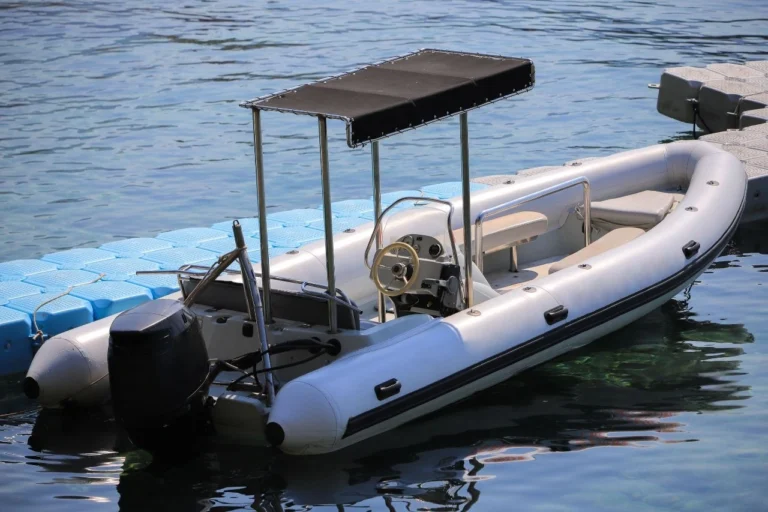
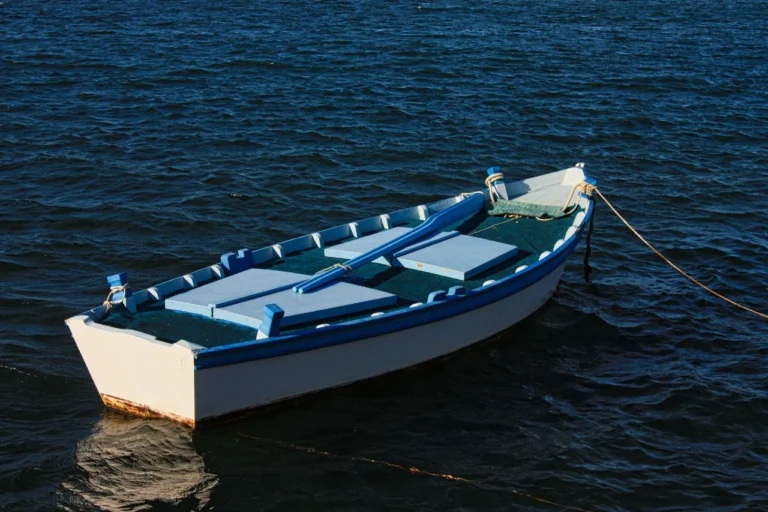
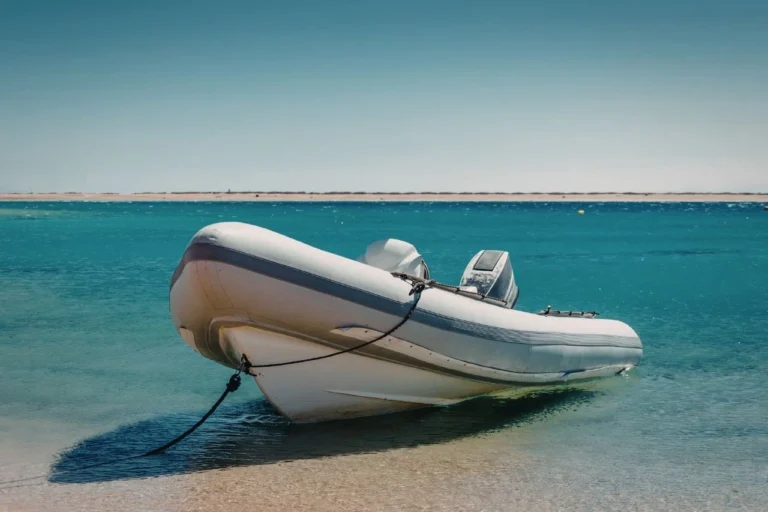
You can now start exploring the various models and types of boats available. There is a wide range of options available, including center console, pontoon boats, deck boats, flat boats, bowriders, yachts, and cruisers.
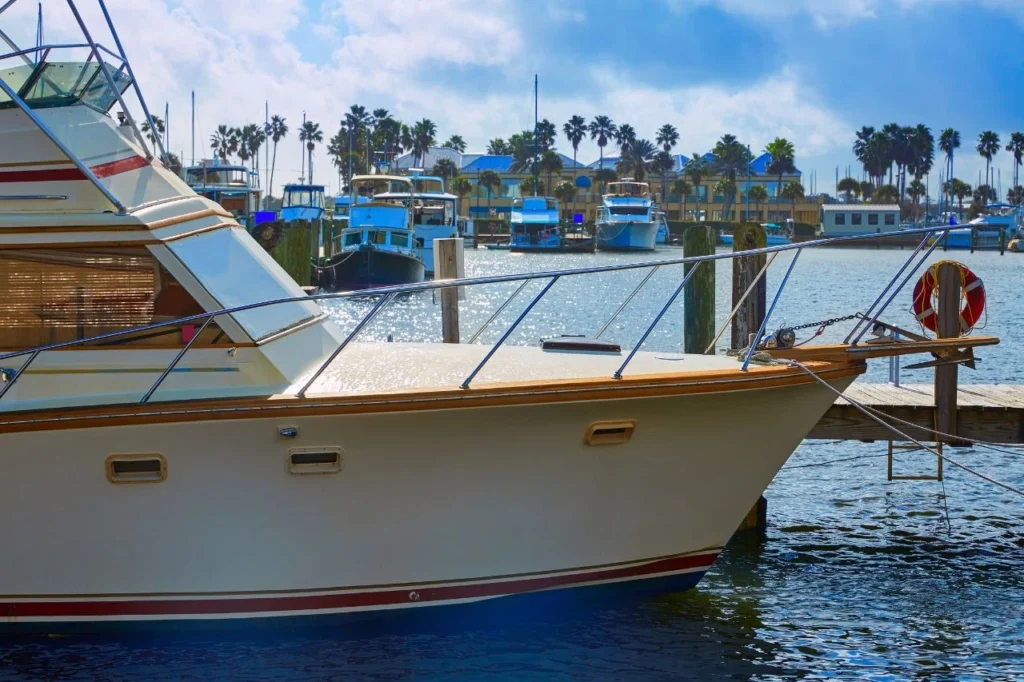
Center consoles are very popular in Florida and are suitable for fishing and day trips with family and friends. Pontoon boats are perfect for relaxed cruising on calm rivers and lakes. Deck boats are similar to pontoon boats, but they are faster because of their fiberglass hulls. Bowriders are ideal for day trips, and flat boats for fishing in shallow water. Yachts and cabin cruisers are the right choice for luxurious cruises with overnight stays.
Ensure the size matches your needs. If you buy larger vessels, you should be ready to face the additional operating costs, expensive storage, and high maintenance costs. Upgraded engines, luxurious amenities, and updated electronics will increase the price of the boat.
Research models of boats to check their engine power, hull design, fuel efficiency, and their suitability for various water conditions. Proper research is essential to make the correct choice that will not only suit your requirements but will also provide comfort and value for the money paid.
Step 5 – Understand Florida Boating Requirements
Understand the legal requirements of the state for buying and operating a boat before buying. This is essential to avoid fines and penalties.
Boaters born on or after January 1, 1988, should have a Boater ID card and should have completed a boater safety education course. You should have proof of certification if you are operating a vessel with 10 plus HP.
The State insists that the boat should be registered and the titling should be completed within 30 days of purchase. Non-motorized boats less than 16 feet are exempt from registration and titling. Florida sales tax on the purchase price must be paid. Check for local surcharges and documentation fees.
Don’t ignore the other legal obligations to be complied with. All documents should be on board along with the safety equipment. Navigation rules should be followed. Insurance requirements should be followed.
Step 6 – Financing and Insurance Essentials
Financing a boat purchase with a loan is very common. You should understand the financing options, essentials, and process to ensure a hassle-free, smooth buying experience. The down payment is generally between 10 to 20% of the purchase price. However, the percentage may vary depending on the age, value, and the buyer’s creditworthiness.
Interest rates depend on your credit score. The higher the credit score, the lower the interest rate. Moreover, interest rates vary depending on the loan amount, repayment period, and other terms of the loan. Getting a pre-approval will make the purchase easier.
Insurance is not a legal requirement, but most lenders require it. The insurance coverage typically includes property damage, towing, uninsured boaters, and physical damage. Florida is prone to hurricanes and storms. So, marine insurance is essential to cover storm and hurricane damage. The insurance varies depending on the size and value of the boat.
Step 7 – Sea Trials & Final Inspection
This is an important step before purchasing, as it helps you avoid costly mistakes you may regret in the future. A sea trial is as important as a test drive when you buy a car. Testing the boat on the water to ensure it makes no unusual noise and that its speed and performance are good helps decide whether the boat is worth buying.
The final inspection includes the inspection of hull condition, electrical and electronic systems, fuel system, engine, and safety equipment. Ensure there is no rust or water leaks. Look for warning signs like slippery floors, unusual smoke, and inconsistent engine performance. A marine survey is also essential if you are buying a used vessel.
Step 8 – Closing the Deal and Taking Delivery
The closing process starts with the signing of the final agreement. Before signing, check the paperwork, including the bill of origin, loan deeds, registration documents, warranty, and title transfer certificate. Ensure that the ownership information is correct. Don’t hesitate to negotiate on price, accessories, transport services, storage, and other add-ons. Compare with other listings to negotiate better.
Before delivery, make sure that an orientation training is included. After possessing the vessel, complete registration, schedule for maintenance, and secure insurance. Complete all steps necessary for a smooth and stress-free ownership.
Final Thoughts
Buying a boat is generally considered to be the second-largest financial investment after a home. You can have a smooth boat-buying experience if you follow all the steps mentioned above carefully. Avoid costly mistakes and buy with confidence from Florida’s boat market. When you are ready to buy a boat in Florida, visit Slipstream, a one-stop destination where you can explore the verified boat dealers in Florida, compare the features of the boats listed for sale, and find the perfect boat to suit your requirements. Let your buying experience and boating experience be uncomplicated and enjoyable.
FAQs
Is Florida A Good Place To Buy A Boat?
Yes, it is a good place to buy a boat because of the high supply, competitive pricing, year-round warm weather, and a wide marina network. The marina business is thriving in the state, with plenty of dealers for new and used boats, and private owners who want to sell their old boats and upgrade to new ones.
Do I Need A Boating License In Florida?
You don’t need a traditional boating license like other states. However, boaters (both residents and tourists) born on or after January 1, 1988, should complete an approved boater’s course and get a Boat Safety Education Identity Card. You should also have a photo ID while boating.
What Taxes Apply When Buying A Boat In Florida?
The taxes that apply include Florida sales tax, use tax when you buy a boat in another state and bring it to Florida, and county surtax.
Should I Buy A Used Or New Boat?
Both options have their own advantages and disadvantages. You have to make the right decision based on your budget, your experience, the frequency of boating trips, and the purpose for which you are buying.
How Long Does Boat Registration Take?
Boat registration can be completed the same day, and you can get a temporary registration certificate immediately if you go in person to the local tax collector’s office. Online registrations may take 10-14 working days to arrive by mail.
Can I Finance A Boat Purchase?
Yes, you can finance a boat purchase through multiple sources, including banks, personal loans, home equity loans, credit unions, marine lenders, and boat dealers.
What Is A Sea Trial?
A sea trial refers to the test drive of a boat to find problems like engine issues, speed, navigation, noise, vibration, braking function, overheating, comfort, and steering response.
Where Can I Find Reliable Boat Dealers In Florida?
You have to browse through marine networks and explore local dealers. The best option is to visit boating websites like Slipstream, where you can find everything you need to buy a boat.