Boat maintenance refers to the regular care provided to boats to ensure their optimal performance and extended lifespan. This includes engine checks, hull cleaning, electrical checkups, safety equipment checks, etc. Although boat maintenance is routine, many new boaters struggle because they are unfamiliar with boating systems and may overlook small yet critical issues. So, maintenance is important because it offers many benefits, including increased safety, long-term durability, decreased chances of breakdown, and the avoidance of major repairs that can cost a fortune. If you are looking for a safe and reliable boating experience with assured safety for everyone on board, regular boat maintenance is indispensable.
Why Boat Maintenance Matters for New Boaters?
Boat maintenance plays a significant role in making your trip smooth and enjoyable. When you avoid regular maintenance, even smaller issues can turn into critical problems posing high risks. For example, issues like engine failure can leave you stranded in dangerous open waters, and fires pose serious safety hazards. Not all situations are alarming, but most of them can make your trip disastrous and can make new boaters less confident.
Prevention is always better than a cure. So, consistent maintenance will help you to identify problems earlier, prevent major hazards, and avoid unnecessary expenses and stress. The major risks of poor maintenance include
- Unexpected breakdowns
- Corrosion
- Hull damage
- Malfunctioning safety equipment
Boat Maintenance Basics Every New Boater Should Know
Before knowing the technical details of boat maintenance, you should be aware of the basics, like the parts that need to be checked, the components that are generally affected by harsh weather conditions, and how often they should be checked. As a new boater, the first thing you need is the confidence that you can do it yourself. You need not be a professional mechanic or an experienced boater to maintain your boat.
Understanding Your Boat’s Key Systems
The key systems of a boat include the engine system, electrical system, hull, and fuel system. Let’s understand what each system does.
Engine System
Also called the propulsion system, this system propels the boat and makes it move through the water efficiently. Proper maintenance of the engine system ensures the smooth performance of your boat
Electrical System
With its components like batteries, power generators, safety systems, inverters, and switch panels, the electrical system is designed to power the functions of a boat in the harsh marine conditions. Regular checks of the electrical system are important for safety and communication.
Hull
It is the primary body of a boat that gives stability and buoyancy to a boat. Hull maintenance is essential for speed and fuel efficiency.
Fuel System
The main function of the fuel system is to store fuel and supply it to the engine. To avoid fuel-related issues and contamination of fuel, the system should be maintained regularly.
How Often Boat Maintenance Should Be Done
You should maintain your boat consistently to extend the life of your vessel and ensure it performs smoothly and safely.
Here’s a schedule for your boat maintenance.
Before Every Trip
- You should make a quick check of the engine and hull
- Make sure that the battery is charged and the fuel tank is full
- Confirm that the safety equipment is fully functional
Monthly Checkup
- Check the electrical connections
- Clean the boat to remove the debris collected
- Check hoses and belts
- Check nuts and bolts
Seasonal Checkup
- Schedule professional maintenance
- Prepare the boat by fixing small issues
- Replacing filters and lubricating shafts
- Painting the bottom
Pre-Departure Boat Maintenance Checklist
Engine and Fuel Checks Before Launch
- Check fuel and oil levels
- Ensure there are no oil and fuel leaks
- Clean the spark plugs and replace them if needed
- Check the airflow in the blowers
- Confirm the engine starts smoothly
- Check the coolant levels
Electrical and Battery Inspection
- Make sure the battery is charged
- Check the fluid levels of the battery
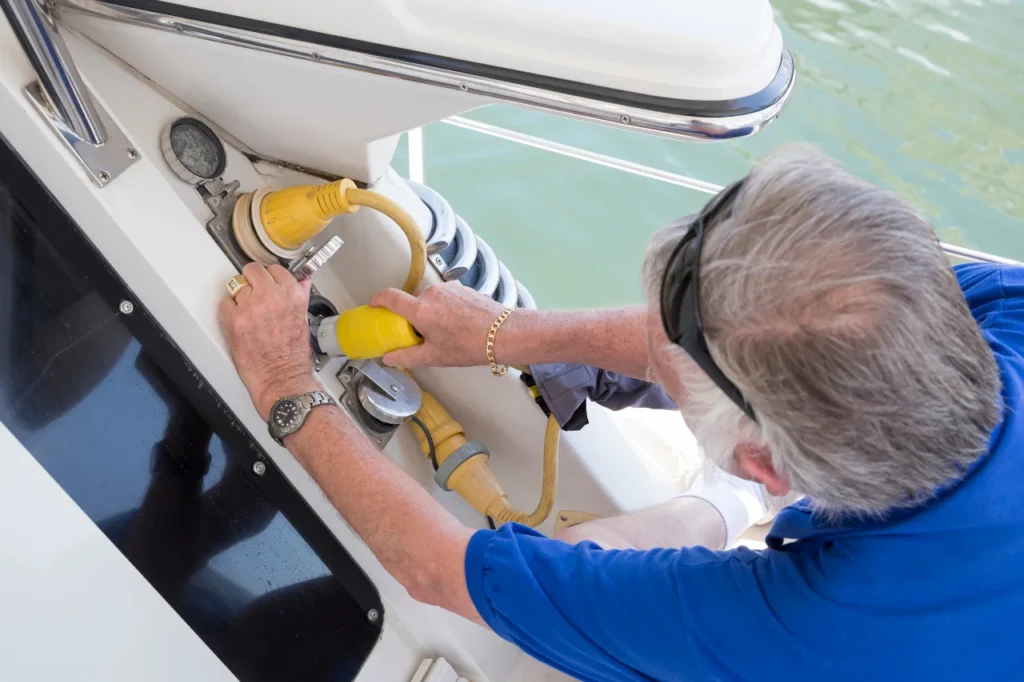
- Check the functionality of the power cords
Safety Equipment and Legal Requirements
- Jackets of all sizes without any tears or holes
- Throwable floatation devices
- Sound signaling devices
- Visual distress signals
- Check fire extinguishers for their functionality
- Ensure the first aid kit is fully equipped
- Check the GPS and maps
- Check navigation lights
- Registration documents
- Operator license
Hull, Drain Plugs, and Propellers
- Check for damages
- Check the drain plugs
- Look for signs of corrosion
- Check for loose rails
- Clean the salt and debris off the hull
- Check propellers and belts
Routine Boat Maintenance Tasks You Can Do Yourself
Most boat maintenance tasks are simple. You don’t need professional mechanical skills or the knowledge of handling highly advanced tools to maintain your boat. All your boat needs is your focus and care.
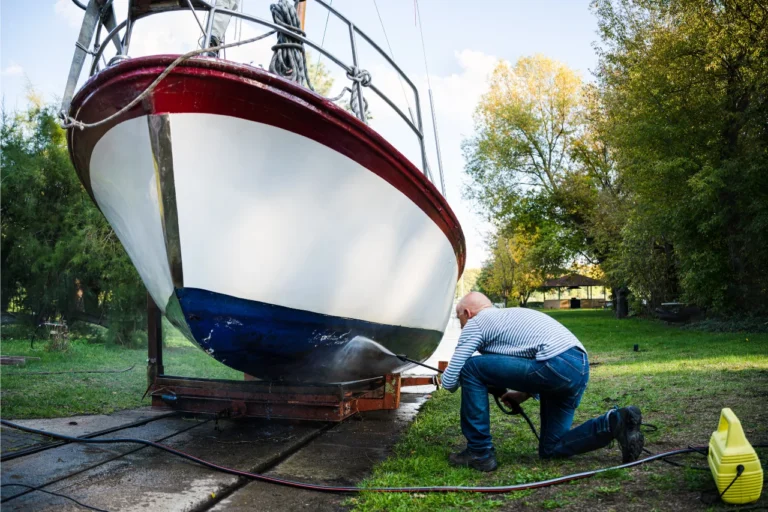
Cleaning and Protecting the Hull and Deck
The process involves the following steps
- Rinse the hull thoroughly with fresh water to clean debris
- Use solvents to remove greasy stains, mild soaps to remove grime, and oxalic-based cleansers to remove rust and other stains
- Mop the non-slip areas
- Keep the boat covered when not in use
- Scrub the surface using soft brushes
Basic Engine Care and Fluid Checks
- Check the engine oil levels. If low, add the recommended oil with an oil-filling cap
- Check the coolant levels
- Check for leaks in the engine
- Ensure the engines function properly without any noise
Battery Care and Electrical Connections
- Turn off the connections before making electrical checks
- Inspect the battery for any cracks and leaks
- Check the electrical connections for corrosion and ensure the cables are secure
- Ensure the connections are not loose
- Let the battery terminals be dry and clean
Preventing Corrosion and Marine Growth
- Check that there is no rust building on the surfaces
- Look for marine growth and remove it as early as possible
- Metal parts should be scrubbed and washed with fresh water to prevent rusting
- Keep your boat covered and stored properly when not in use
Seasonal Boat Maintenance Guide
With the change of seasons, boat maintenance also changes to suit the seasonal conditions.
Spring Commissioning Checklist
- Change oil and fuel levels
- Ensure the engine runs smoothly
- Check the safety equipment and the batteries
- Wash the hull and deck thoroughly
- Check for cracks and damage in the hull
Mid-Season Maintenance Tips
- Check the performance and fuel efficiency of the engine
- Replace expired safety gear
- Look for signs of corrosion
- Clean the hull and deck
Fall and Winterization Essentials
- Ensure there is no moisture building up on the surface. If there is any moisture, dry it up.
- Before storing, check for minor repairs. Remove the battery and store it in a dry place. Remove other valuables from the boat.
- Check the water lines for freezing
- Inspect all exposed parts, including seals and hoses
Storage Preparation and Off-Season Care
- Remove all food stored in the boat to avoid mold and mildew
- Wipe the storage compartments dry
- Clean the interior of the boat and wash the hull and deck.
- Disconnect batteries
- Make a thorough visual check of the whole boat periodically while in storage
Common Boat Maintenance Mistakes New Boaters Make
It is common for new boaters to make a few mistakes at the start. However, you have alternatives for most of the beginner mistakes.
- Neglecting regular checks, such as fluid and filter checks
What to do instead – do visual checks regularly
- Running the engine dry
What to do instead – Always flush the cooling system and check oil levels
- Ignoring small issues like leaks
What to do instead – Fix minor issues as early as possible
- Running on old fuel
What to do instead – Drain old fuel
- Forgetting the drain plug
What to do instead – Keep the drain plug inserted
- Avoiding professional help
What to do instead – Get professional advice when you feel something is out of your limits.
When to Handle Boat Maintenance Yourself vs Hiring a Professional
DIY boat maintenance is essential and is manageable. However, you should know your limits. Some issues require expert care. You should know what you can handle yourselves and when to get professional help.
Things You can Handle Yourself
- Routine cleaning, waxing, drying, and washing
- Making basic visual checks of the safety gear.
- Checking before the launch and storage
- Checking fluid and fuel levels, batteries, engines, and safety gear
- Applying a coat of paint to the bottom
Things to be Left to the Professional
- Engine servicing, engine diagnosis, fuel system issues, and engine rebuilds
- Diagnosis of complex issues in the electrical system
- Major repairs, including the integrity of the hull, structural damage, and major wear.
- Repairs for parts with a warranty
- Any issues that need expert care and working with advanced tools
Cost of Boat Maintenance: What New Boaters Should Expect
Boat maintenance is inevitable, but it need not be overpowering, expensive, and stressful. The cost of maintenance may not be the same for all boats. It can vary depending on the size, model, frequency of usage, and type. Many boat owners budget around 5% of the boat’s value annually for maintenance, though costs vary by size, usage, and condition.
The maintenance expenses include the replacement of small parts, cleaning, seasonal servicing, storage preparation, and basic servicing. You can avoid major issues and save money by periodical preventive care. Hence, timely checks, addressing small issues, and regular cleaning can help to extend the life of the boat.
Boat Maintenance Safety Tips for Beginners
Simple safety tips and personal care can avoid major injuries, harm to the surroundings, and damage to the boat.
- Keep the engine and the electrical system turned off before starting the regular maintenance
- Wear non-slip footwear and safety gloves
- Use eco-friendly cleaning products to protect water and the environment
- Wipe spills immediately to avoid slips
- Keep the first aid kit accessible and well-equipped
- Disconnect the battery
- Wear life jackets
Final Boat Maintenance Tips to Keep Your Boat Water-Ready
Consistency is the key. Simple and regular checks will make your boating enjoyable and safe. Understand what you can do and when to go for professional help.
As a beginner, you may feel a little uncertain about the maintenance of your boat. As you gain experience, you will be more confident.
With regular care, your boat will be water-ready and will allow you to have fun on the water.