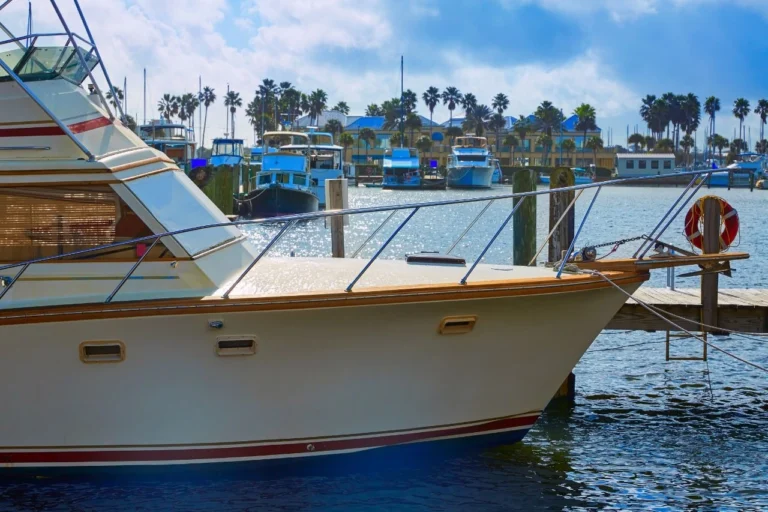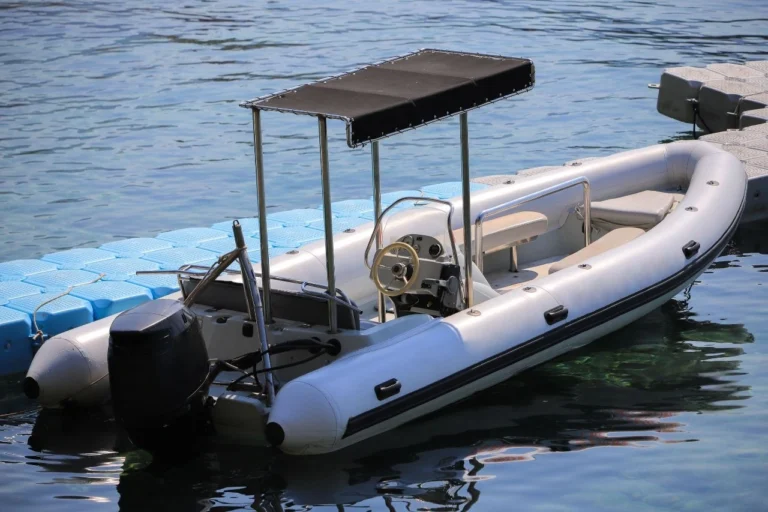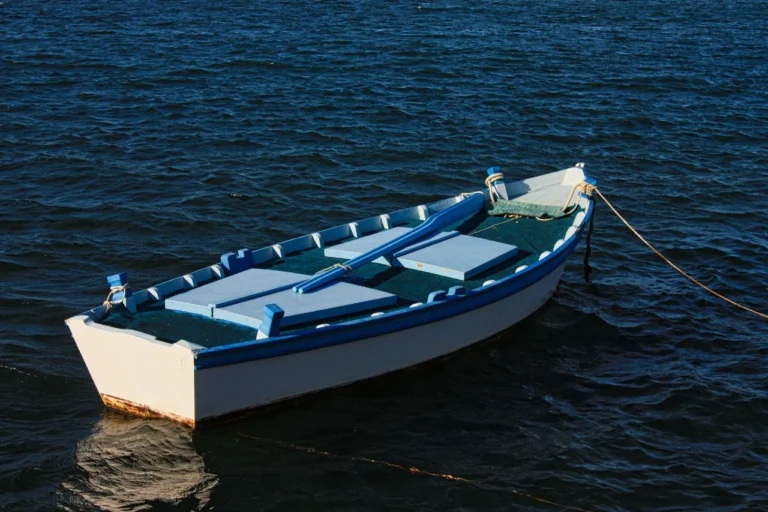

Do you own a boat? If yes, then you probably have more fun than the rest of us. Owning a boat is a rewarding experience. You get freedom, adventure, and relaxation. But everything comes with a cost, or rather, some responsibilities, and in this situation, it is timely maintenance.
Imagine you have planned an incredible boating tour with your family, and just when you sail ashore, the engine starts stuttering and everything comes to a halt. Panic ensues, and you have to wait for hours for the repair team to come and help out.
This scenario is nightmarish – we understand, but simultaneously, it is highly plausible if you ignore or sideline timely boat maintenance.
So, you must get the necessary repairs and maintenance done regularly. Without further ado, let us check out a beginner-friendly, dummy-proof, and easy-to-adhere boat maintenance checklist.
1. Inspection & Cleaning of the Hull
The hull is your boat’s first line of defence. It provides buoyancy and stability and enables your boat to float and move seamlessly through water. A clean hull is crucial for optimum performance, fuel economy, and integrity. A neglected and unkempt hull creates drag, forcing the engine to work harder, and ultimately leading to a drop in speed and long-term damage like blistering.
The Approach
- Visual Inspection: Look for signs of damage, such as cracks, scratches, and blisters. If you see any of these signs, opt for a professional repair service immediately.
- Gentle Yet Impactful Cleaning: You can use a non-abrasive cleaner to scrub the hull and remove algae, barnacles, or dirt. Taking the help of a pressure washer (at a low pressure setting) can also be a good idea.
- Anti-Fouling: Most boats need a fresh coat of anti-fouling paint annually. Antifouling paint works by slowly releasing biocides that prevent marine life growth.
PS: If your boat sails in saltwater, you may need more frequent cleaning as opposed to freshwater-frequenting boats that require a few cleaning sessions per season.
2. Engine Oil & Fuel System Management
The engine is your boat’s heartbeat and demands timely scrutiny. You must opt for regular engine oil and filter changes to keep the sanctity of the engine intact and ensure that it lasts for a long time. Negligence can have catastrophic consequences, like increased friction, overheating, and premature depreciation – deteriorating the lifespan and quality of your engine much earlier than its due.
The Approach
- Engine Oil & Filters: Remember to change the engine oil and filter every 100 hours of use as per the manufacturer’s recommendations and check oil levels regularly for signs of water contamination or milky oil.
- Inspect the Fuel Systems: You should be vigilant of the fuel lines, primer bulbs, and fittings for cracks or leaks, and replace the fuel filters annually. Also, the fuel tank should be clean, and you must opt for ethanol-free fuel.
- Care for the Cooling System: Your boat maintenance checklist is incomplete without flushing the cooling system after each use, checking the water pump impeller and replacing it every other season, and inspecting the hoses and clamps for leaks or corrosion.
PS: You should schedule regular professional engine tune-ups to avoid expensive repairs down the line.
3. Be Vigilant of the Electrical Systems
A boat’s electrical system is its central nervous system. Too much of anatomical analogies, eh? Well, the electrical system powers everything – from navigation lights and bilge pumps to communication equipment and cabin amenities. Its timely inspection is crucial in preventing loss of power, navigation, or even fire.
The Approach
- Check the Batteries: You should inspect your boat’s battery terminals for signs of corrosion and loose ends. Remember to also test the battery charge and consider replacing old or weak batteries in a timely fashion.
- Inspect the Wiring: Secondly, check all wiring for signs of wear and tear, fraying, or corrosion, and make sure that the connections are secure. Also, inspect any circuit breakers or fuses.
- Check the Electrical Equipment: You should test all navigation lights, bilge pumps, and other electrical systems to ensure that they are functioning properly.
PS: Use a terminal cleaner and a wire brush to remove any corrosion from battery posts and cable ends.
4. Propeller & Drive System Care
The propeller and drive system are crucial for your boat’s motion. They include a complex and undulating network of shafts, gears, and propellers, which operate under immense stress and need meticulous attention and timely repairs.
The Approach
- Check the Propeller Condition: You should examine the propeller blades for dings, dents, bends, and chips, as even minor damage can lead to performance-robbing vibration and add strain on the drivetrain.
- Examine the Fishing Line and Debris: Remember to regularly check the area around the propeller shaft for entangled fishing lines, which can cut through the shaft seals and allow water into the gearcase.
- Investigate the Anodes: Lastly, inspect the sacrificial anodes on the drive unit and replace them when they are 50% corroded.
PS: Always have a spare propeller, nut, and other necessary tools on board. This ensures that a minor incident that damages your prop does not end your adventure on the water.
5. Check the Safety Equipment
When disaster strikes, even the most reliable hull or well-maintained engine means little when you do not have functional safety equipment. Thus, your boat maintenance checklist is incomplete to the T if you do not prioritize safety equipment and gear.
The Approach
- Life Jackets On Their Marks: Make sure that all life jackets are in good condition, devoid of wear and tear, and are adequately sized for each person on board.
- Visual Distress Signals (VDS): Flares, smoke signals, etc, have expiry dates. Remember to check them annually and replace them before their expiration. Also, VDS must be stored in a dry and easily accessible location.
- Fire Extinguishers: The fire extinguishers in your boat should be fully charged, and their gauge must be green. Make sure to mount them securely and give a nice little shake every month to prevent the dry chemical from compacting.
Key Takeaways
So, there we have it, a beginner-friendly boat maintenance checklist that includes five essential and indispensable processes. A boat that’s well cared for and well-maintained has a much longer lifespan, is more high-performing and efficient, and is safer for both you and everyone else on board. And, do you know the best part? A well-maintained boat boasts an excellent resale value.