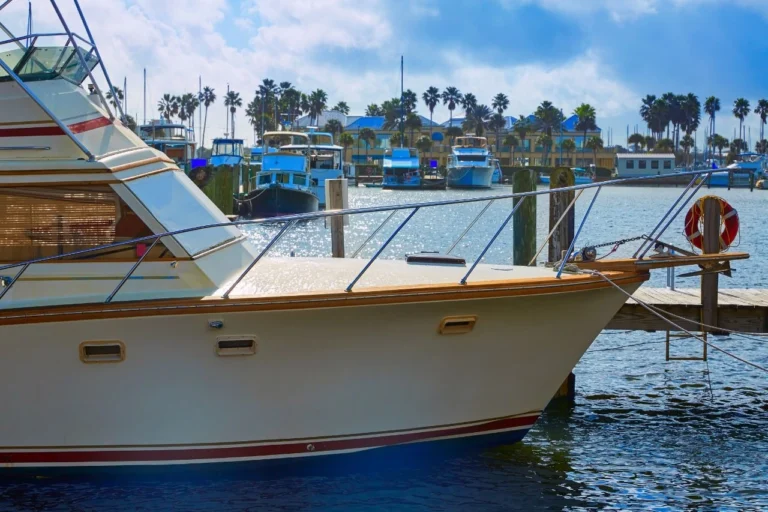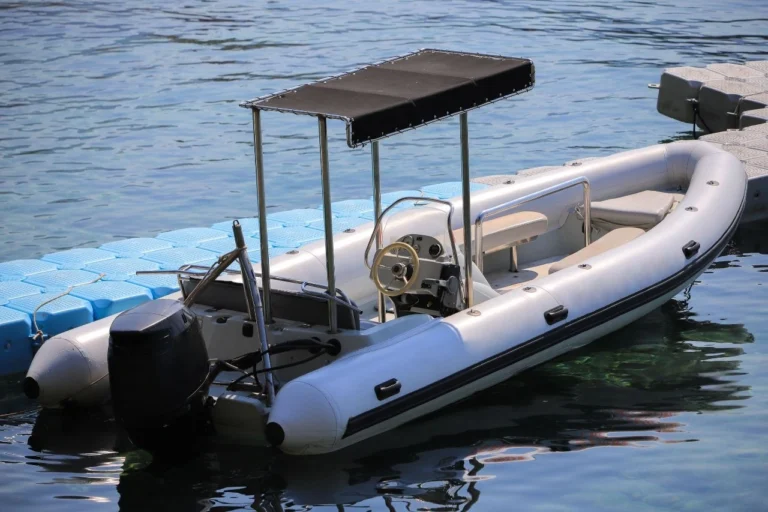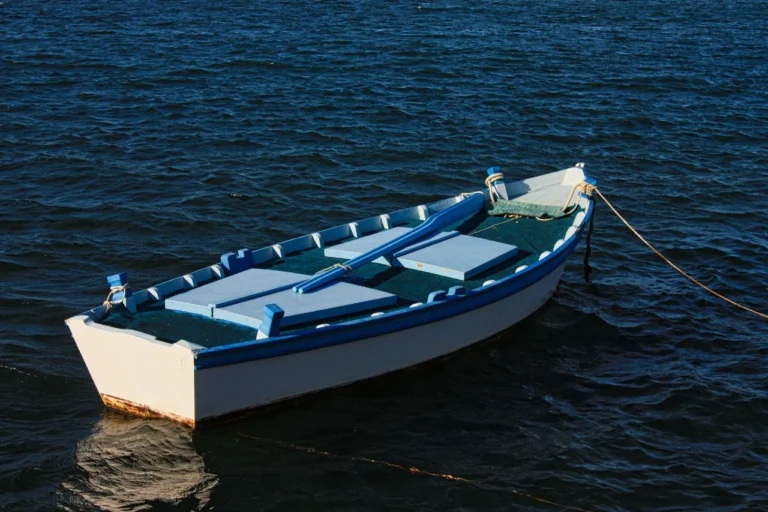

Picture sailing across a beautiful lake, the wind touching your hair, and the sun on your face. Nothing beats the pleasure of boating. Whether you plan a day trip on the water with your friends or a laid-back afternoon with your family members, one thing is common: stay safe and have fun. That said, preparing beforehand plays a significant role in ensuring a relaxing day on the water.
While packing the essential stuff for boating, knowing what not to bring on a boat is equally important. Some items can be hazardous or can take up more space and are thus better left at home.
To help you understand, we’ve created a list of the things that you should leave back at home while planning a boating adventure. Keep your boat organized, clean, and safe. Let’s get started –
Oversized Bags
Space is a privilege on some boats, and if you bring oversized bags on board, it can crowd the deck immediately. These can become hindrances and create a mess.
- Choose a small, waterproof bag to store the necessary items safely.
- Avoid bringing any items that you’ll hardly use on the trip.
Excessive Beverages
While it’s crucial to stay hydrated on a hot summer day, bringing too many beverages can go wrong.
- Adds weight and takes up space on the boat.
- Bringing alcohol? Be extra careful because of the risks of accidents and imbalance.
- Bring water, sports drinks, and a small amount of beer or wine (if permissible) onboard.
Perishable Food Items
Planning to bring mayonnaise sandwiches and dips on your boating trip? It can backfire. Nothing worse than a day ruined due to unexpected food poisoning. The scorching sun and the absence of refrigeration can rapidly turn these food items into the best hosts for bacteria. Pack snacks that you can store for a longer time, such as sealed packaged food, fresh fruits, and granola bars.
Messy Snacks
Don’t pack a messy snack for a trip aboard. If you accidentally spill something all over your boat, cleaning is a hassle.
- Bring sandwiches without sauce.
- Planning to bring chips along? Avoid Cheetos or Doritos, as they can stain everything.
- Stick to transparent colored liquids and easy-to-clean foods to save deep cleaning.
Electronics
A good rule of thumb? Leave all electronics at home if you don’t need them on board.
You don’t need a laptop, tablet, or any big device on your boat.
- Bringing a cell phone makes sense as it’s helpful in case of any emergency.
- Carry much-needed electronics in a robust, waterproof case or bag.
Valuables
Keep high-value stuff such as watches, rings, or designer sunglasses at home. A boat is not an ideal place to carry them, as these can get wet due to unexpected rain or splashes. Carry only the must-haves on the trip, such as your ID, credit card, and some cash.
Boat Cleaners
While on your expedition, you’re equally responsible for the health of the water. Not all boat cleaners are safe for the water.
- Leave all cleaners at the shore.
- Chemicals found in the boat cleaners can make the water unusable.
Everyone on the boat should work to keep the water safe by keeping cleaners far from the water.
Gas Cans
Make sure that your boat has enough gas for the day before you leave for the boating trip. It seems tempting to bring a gas can with you on board, but it’s a bad idea. Leave it at home.
- Heat causes the gasoline vapors to expand, building pressure within.
- If the pressure gets high enough, it could blow up.
Thus, always fill your boat before heading out. Leave the gas can at home to ensure everyone’s safety onboard.
Pets Without the Right Safety Gear
Taking your furry companion on a boat can be a good idea, but only if they’re equipped with the right safety gear. If your pets don’t have the right fit life jackets or if they are not used to being on the water, they are better off staying at home.
- Your pets might jump overboard due to slippery boat decks.
- Bring pets only when they’re comfortable and leashed.
Cigarettes
It doesn’t seem like a big deal, but cigarettes and boats can’t go together.
- A lit cigarette can cause the fuel in the boat to catch fire.
- Affects the fresh air that everyone breathes.
Skip smoking for the trip or choose smokeless ways if you can.
Glass Bottles
Bringing glass bottles on board seems harmless, but it can lead to serious accidents.
- Falling or breaking glass bottles result in shards scattered all over the surface.
- It can be a safety hazard for everyone on the boat.
Replace glass bottles with plastic or aluminum to ensure safety.
Fireworks
Bringing fireworks on a boat is a big no! It always results in trouble. These are dangerous, no matter where you are. It might lead to injury and damage to the boat. So, leave fireworks at home and enjoy boating with your friends and family.
Sharp Objects
Bringing sharp objects such as knives or scissors can become a safety hazard onboard. Left unsecured can damage the upholstery and cause injury. If required, store them in the designated place.
Grocery Bags
Plastic grocery bags seem convenient to carry the necessary supplies, but they can instantly become litter once you’re on the boat.
- These bags can go overboard due to winds or waves.
- Risk of water pollution and damage to marine life.
Replace these lightweight grocery bags with totes that won’t blow away easily. Use reusable items to help protect the marine environment.
Dark-Soles Shoes
Never hop on the boat in shoes with dark soles. Leaving a mark of your shoes on the brand-new boat is the last thing you wish for.
- Make sure your shoes don’t leave any marks behind.
- Choose shoes that can get wet, such as sandals or boat shoes.
It’s best to take them off before stepping in.
Anything Against Boating Rules
Don’t bring anything that doesn’t comply with the boating rules and regulations.
Avoid
- alcohol in the prohibited areas
- fishing items without a license
- unapproved watercraft gear
Know the rules beforehand to avoid breaking any laws. Remember, something allowed in one region might be prohibited in another. Double-check to avoid hefty fines.
So, if you’re heading out to a very small lake for a day that takes hardly a few minutes to reach, you don’t need to pack multiple clothes and blankets. It can make your boat look cramped and uncomfortable. Pack only the essential things and leave everything else at home.
Conclusion
Plan out your day and pack only the necessities. Don’t panic if you forget something to bring along; most essentials can be planned in advance. With the best idea of what to take and what not to bring on a boat, you can enjoy stress-free boating in the best way possible.